
 Series of furniture for staff
 Office desks
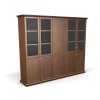 Office cabinets
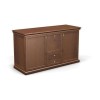 Office pedestal
 Office partitions
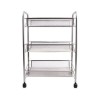 Office Accessories
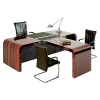 Series of offices for the head
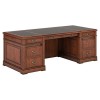 Executive desks
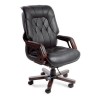 Executive chairs
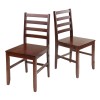 Wooden chairs
 Staff chairs
 Office chairs
 Computer chairs
 Bar and pab chairs
 Soft chairs
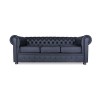 Office sofas
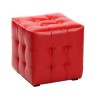 Poufs and banquettes
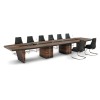 The negotiation area
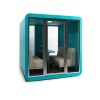 Acoustic cabins
 A series of furniture for the reception area
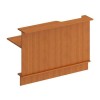 Straight reception desks
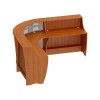 Corner reception desks
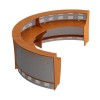 Round reception desks
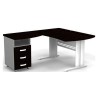 Corner office desks
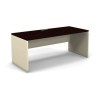 Tables for staff
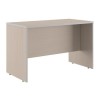 Writing desks
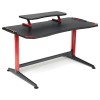 Computer desks
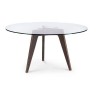 Dining tables
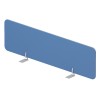 Desktop Office Partitions
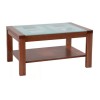 Coffee tables
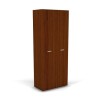 Office wardrobes for clothes
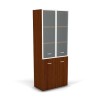 Office filing cabinets
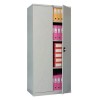 Archive cabinets
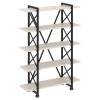 Loft racks
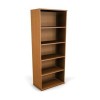 Office shelving
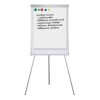 Marker boards
 Footrests
 Office Hangers
 Benches
 Bookcases and shelves
 Storage & Organization
Zoning
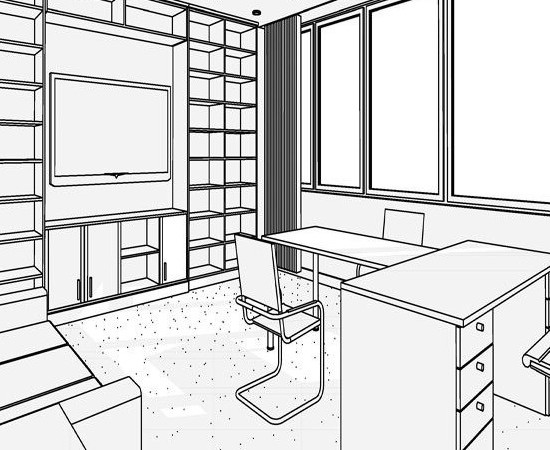
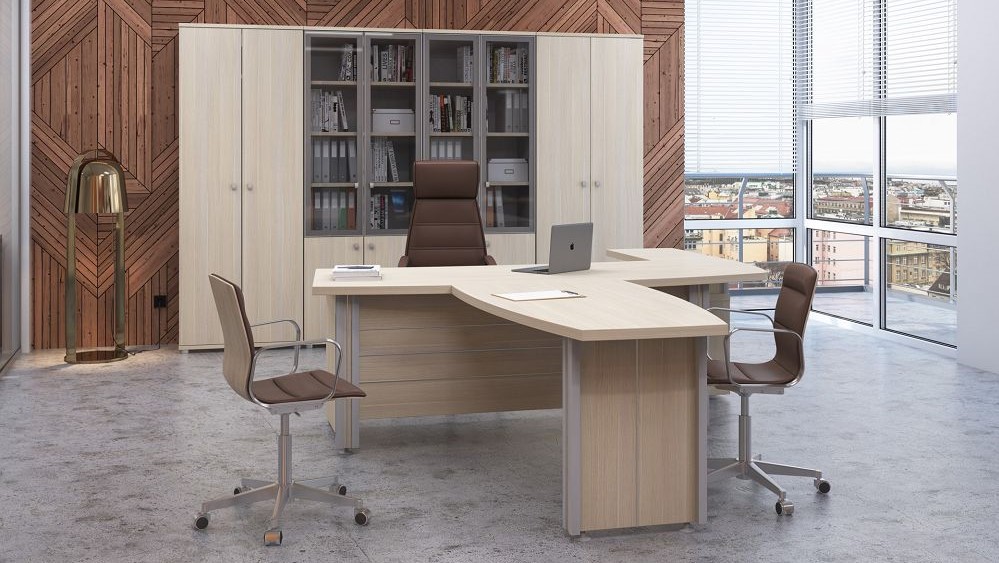
An executive office is not simply a desk with a chair. This is space that encompasses a workplace with a chair (or armchair) and an office desk, a lounge area with soft furniture and a coffee table, and also a meeting room (the latter may not be present depending on the premises’ size).
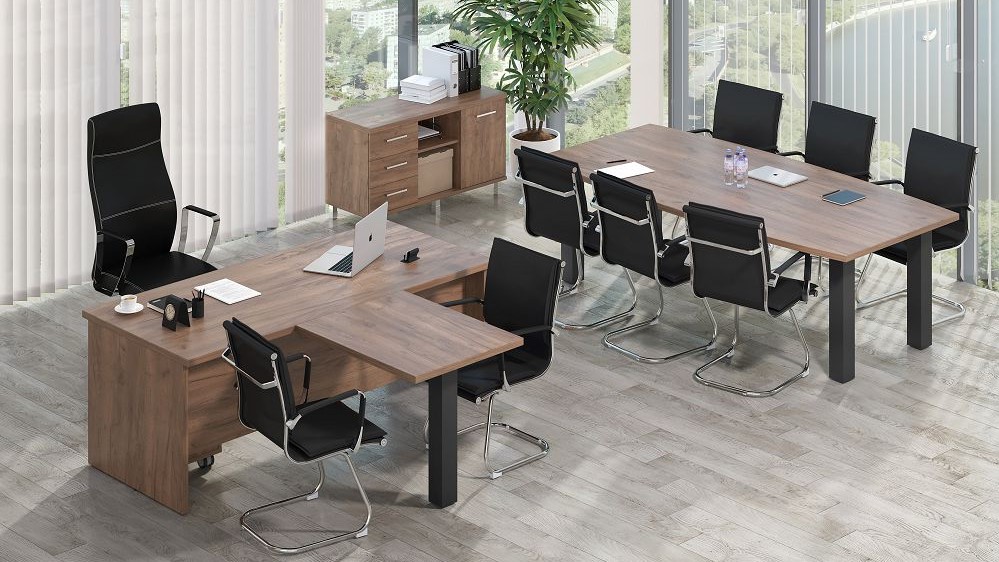
To make the best out of the space, decide what purposes the office should serve. To do that, answer some simple questions:
- How much time will you spend in the office?
It will help arrange the lounge area. - How many visitors can you have simultaneously?
This will help calculate the needed number of seats. - Will you do briefings and meetings in the office or elsewhere?
After that if becomes clear what zones you need in your office.
Tip: calculate the areas of potential executive office premises yourself, for cadastral certificates don’t always have valid information. This will ease space arrangement and material procurement.
Layout type
An executive, though, does not always have a separate office depending on the layout type.
Open space type
Employees’ desks are placed in the same premise with that of the executive without any division (apart from possible partitions).
Office type
Employees are put into separated offices based on their activity type. In this case an executive also has their separate office.
Mixed type
An executive office is also located in a separate room.
Every office, regardless of its layout type, needs to be properly arranged to place furniture, find the perfect style and contribute to a comfortable working atmosphere. Have a space and interior design done by professional designers. They will plan your future office based on your need and preferences. Work with specialist will save your time and money.
Style
Space and interior design include finding an optimal style for an executive office. Be sure to pay attention to the following aspects:
- Personal preferences;
- Status;
- Company field of work;
- Company field of work;
The latter will ease the choice of the palette that suits the corporate style.
Below are the most popular styles for an executive office.
Classical
Classic can never become old-fashioned. It is usually the choice of companies that work in the fields of economy, finances, politics, etc.
Check the photo of a classical design below.
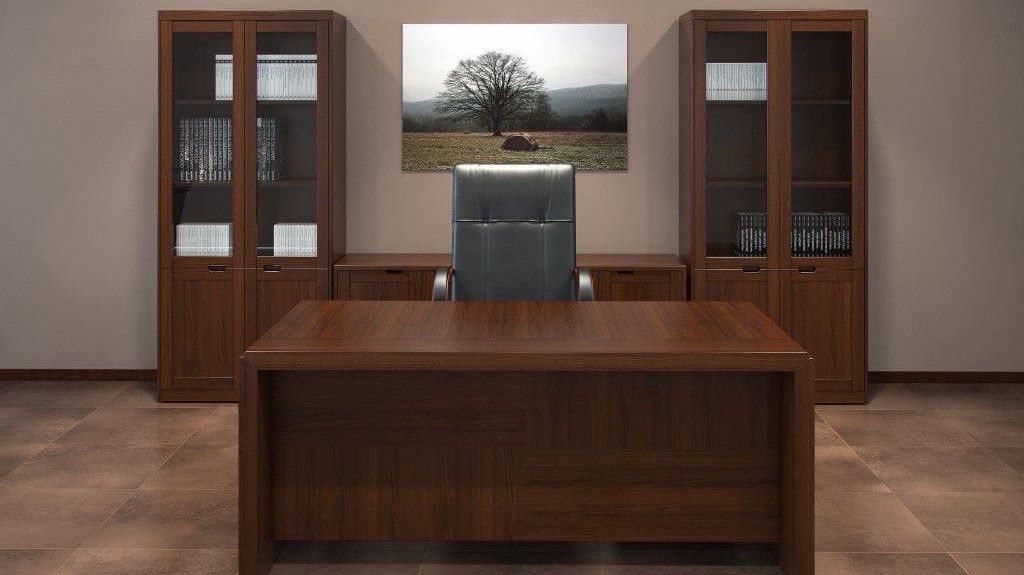
Classical style is always about genuine, natural materials. The most preferable are wood, leather, gilding. You can also add hand-crafted furniture covers, natural carpets of classical shapes, etc.
As with the palette, opt for dark wood shades: brown, marron, black, mahogany, burgundy.
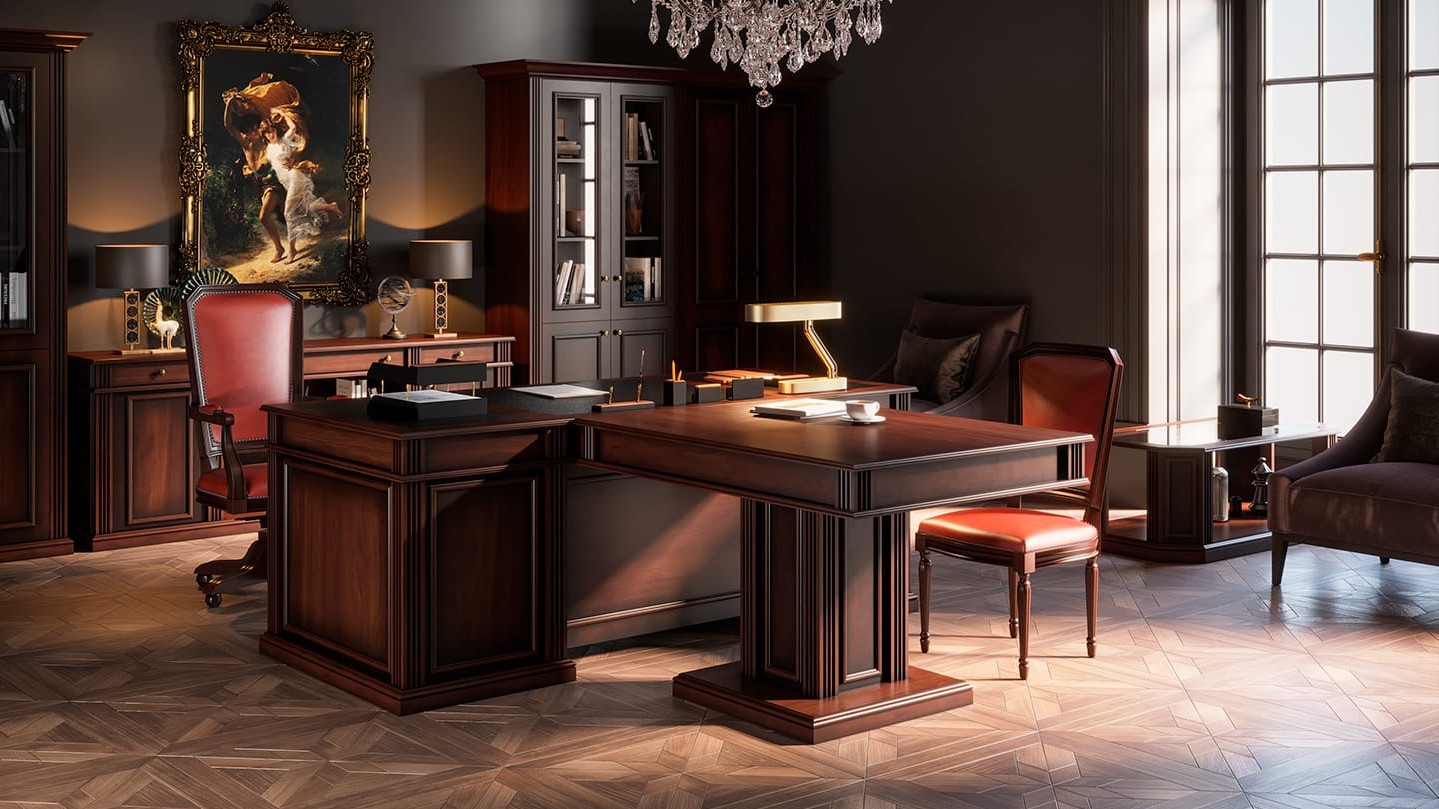
Don’t be confused, classical style is not about rough shapes and materials, but rather about harmony, reliability, wealth and comfort. So, don’t place anything grotesque in your office. If you plan to add pictures, potted plants and additional lights, they have to comply with the general style.
Modern
The pillars of the modern style are ergonomical shapes, materials of premium quality and neutral colors. One more idea is to make the most out of the space you have, so opt for simpler shapes and designs.
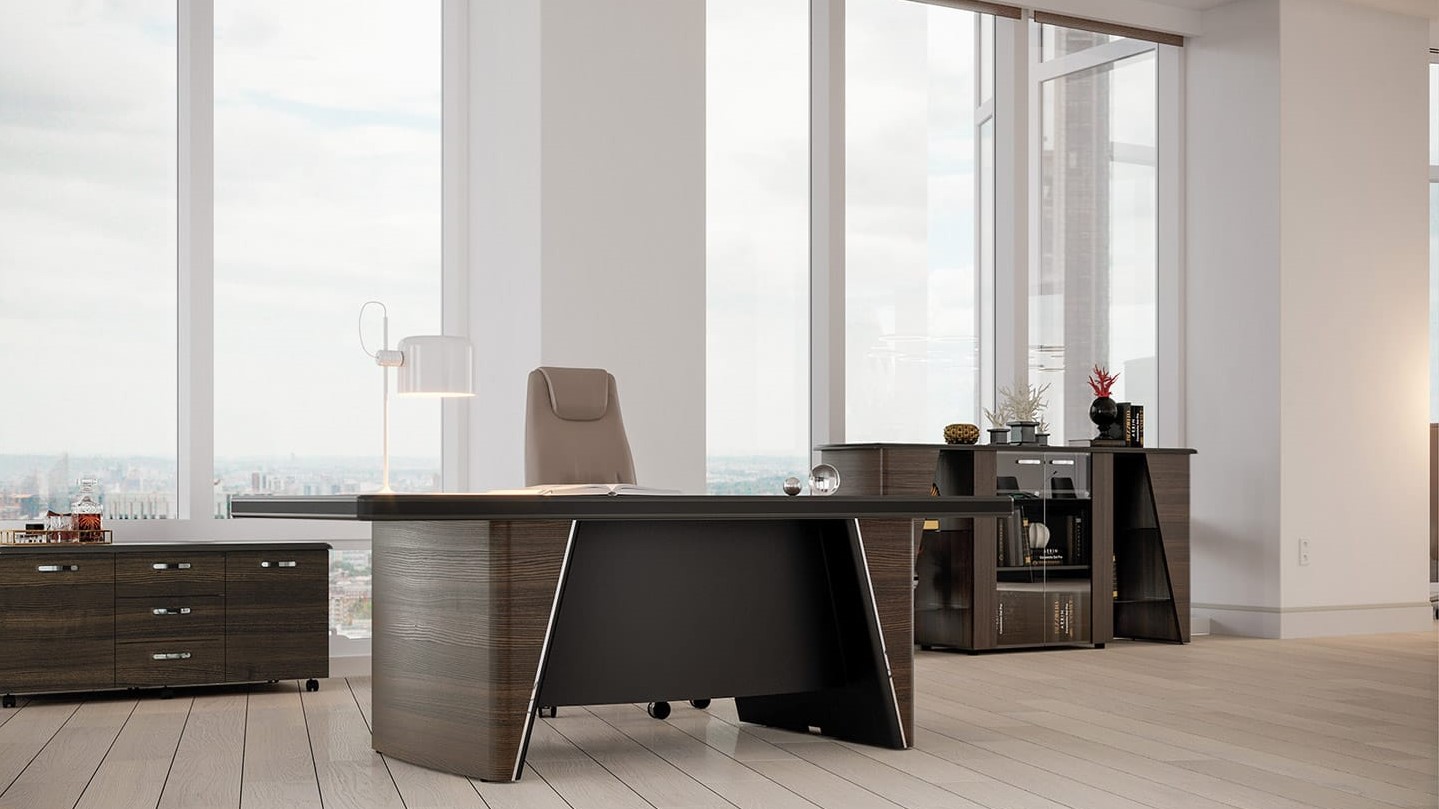
To add more light, you can choose floor-to-ceiling windows and bright walls. You can even paint the walls white without wallpapers, but then choose contrasting furniture.
Minimalistic
Minimalistic style with its roots from the modern. High quality and neutral light colors are also characteristic of minimalism.
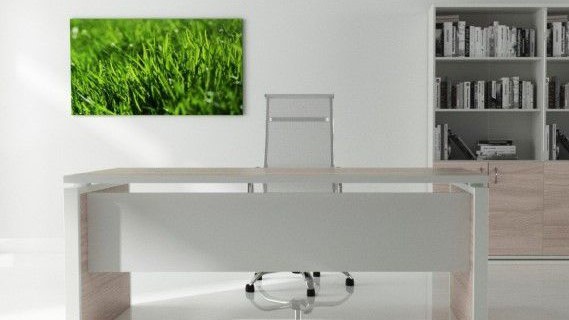
The less furniture and décor elements you have, the better. Simpler and softer shapes will provide comfort and calmness. Minimalism is all about calm and comfortable spaces that boost productivity.
High-tech
It is usually the style of choice of new, small but ambitious companies. High-tech is usually characterized by dynamics, clean lines and innovation technologies.
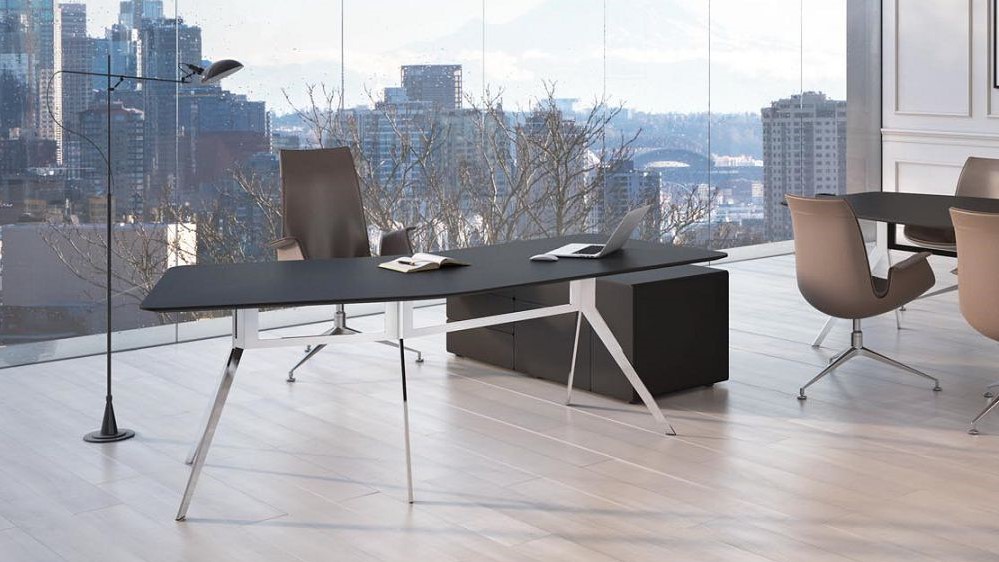
Materials used usually include glass, plastic, metal, but almost never wood (only in the form of potted trees).
Main furniture items
Regardless of the chosen style, layout and design, there are compulsory furnishing elements in an executive office that should fit the following criteria:
- Premium-quality materials;
- Stylistic unity;
- Pleasant look.
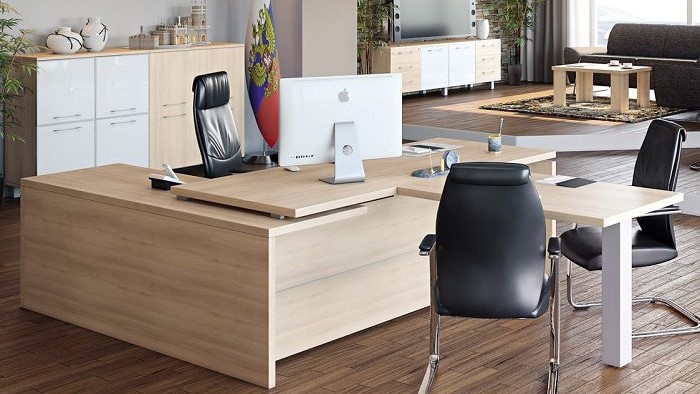
Desk
A desk in an indispensable piece of furniture in any office. You place there all you need for work: a laptop, a phone, a planner, documents, etc.
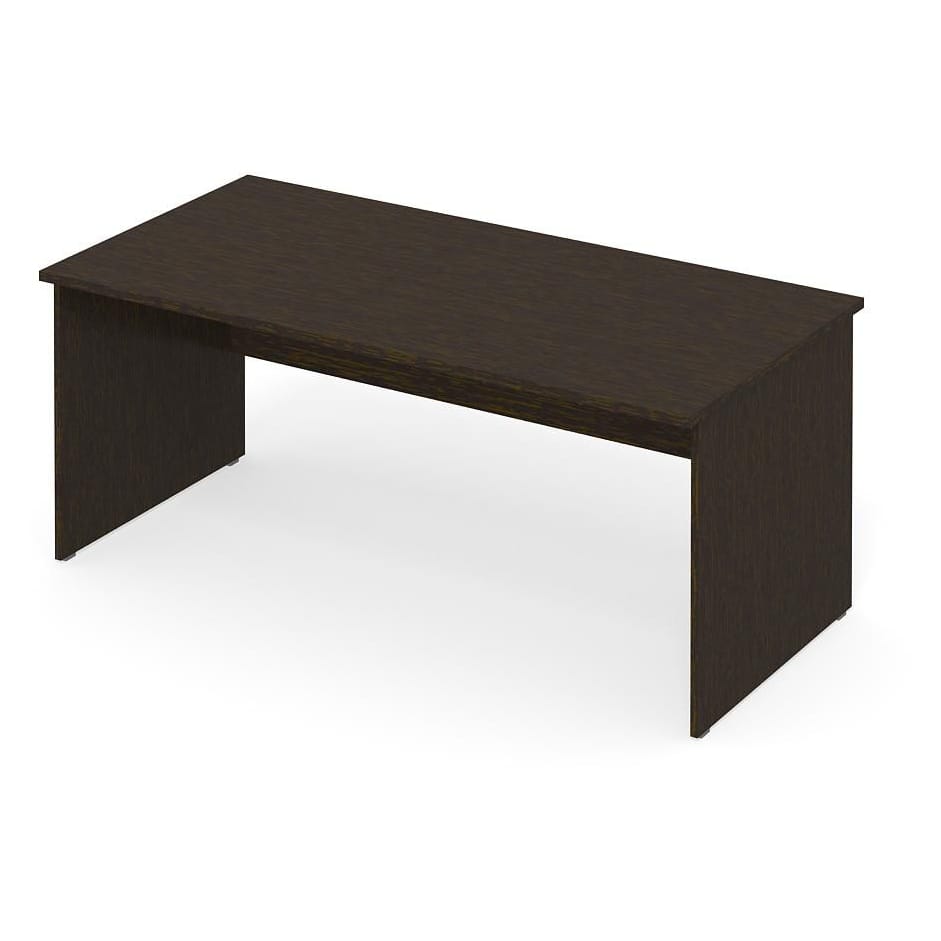
A desk is usually placed in the middle of the room, and there’s a symbolic meaning that the person’s central position is also the very beating heart of the company. A high-quality desk also reflects the owner’s status and the company’s profits and credibility, that can impress potential clients and partners.
Chair
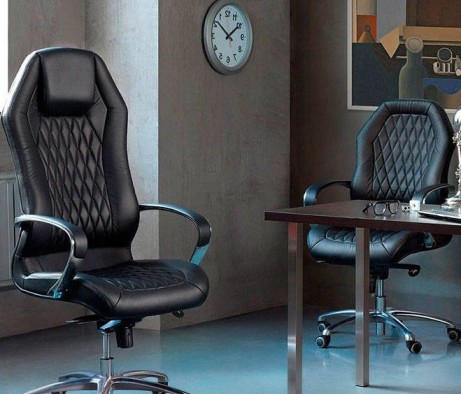
A chair or an armchair, a bigger or smaller– the choice is yours based on an executive’s personal preferences. But don’t forget that the furniture should go well together. For example, a massive desk won’t go with a miniature foldable chair, so find items that will fit each other.
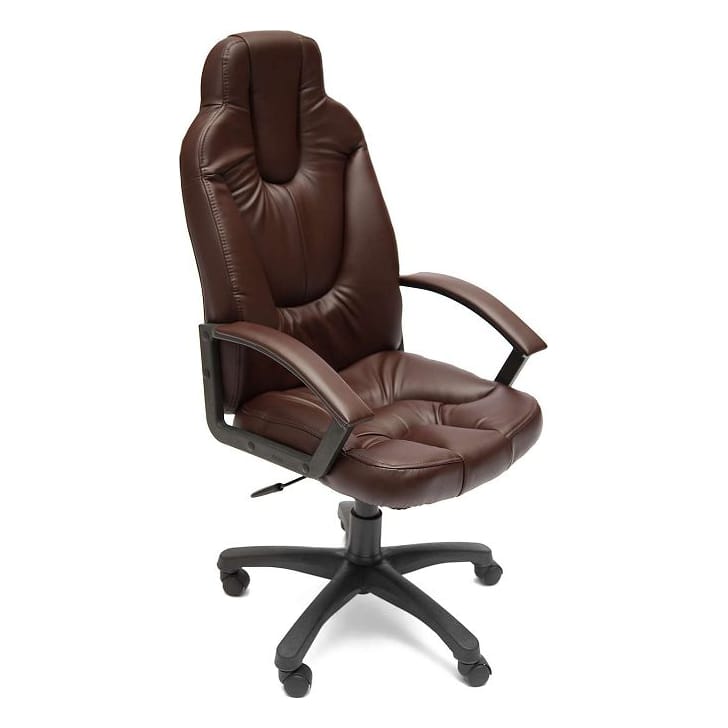
A genuine leather chair will also show the owner’s status. And don’t forget that you can find options of maximum comfort and functionality.
Cabinets or drawer units
Their main function is document storing, but in the office, they serve not only as a storage item, but also an interior feature. So, the chosen cabinet and drawers are in accordance with the chosen style of the premises.
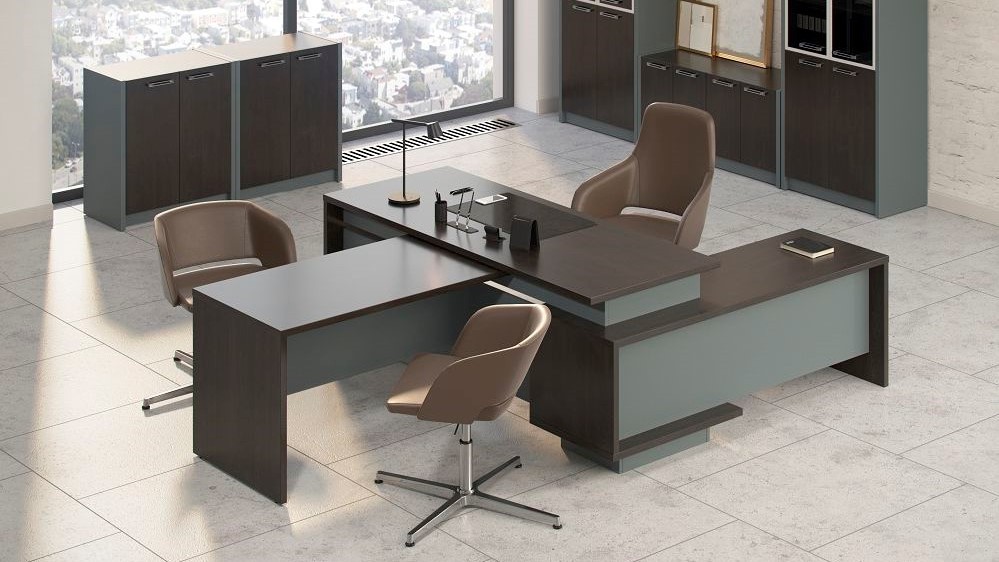
Nowadays we rely on electronic documentation more and more, so soon enough cabinets will remain just an interior item. So, if there’s not much space in the office, better substitute cabinets with drawer units or avoid adding any storage items into the room.
Conference table
This is not an indispensable item in an executive office, but a noteworthy one. It fits those offices where conferences and negotiations are held on a regular basis.
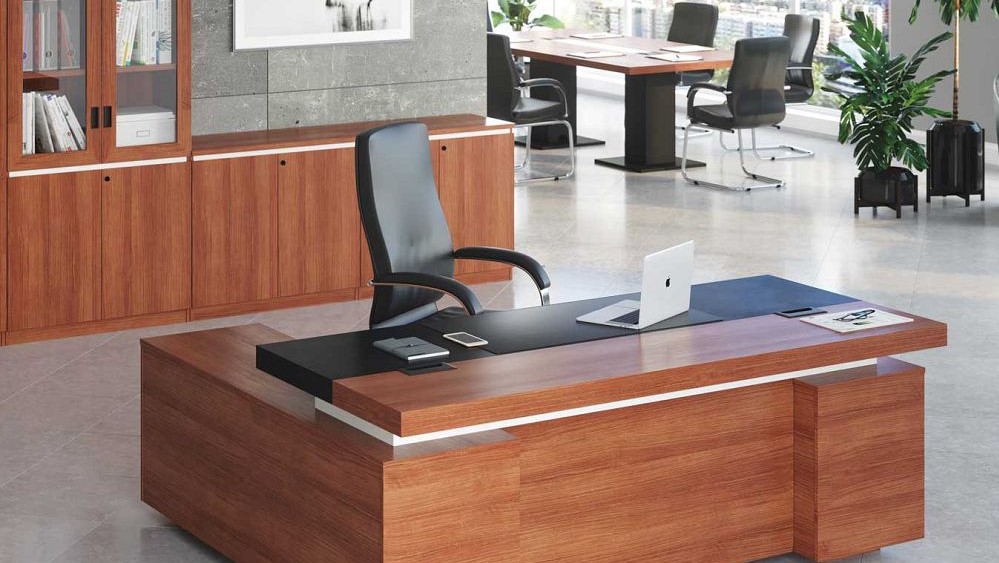
Guest chairs
This is an important furnishing item in any office, as one of the executive’s duties is meeting clients and partners. Thus, the chairs have to be nice and comfy.
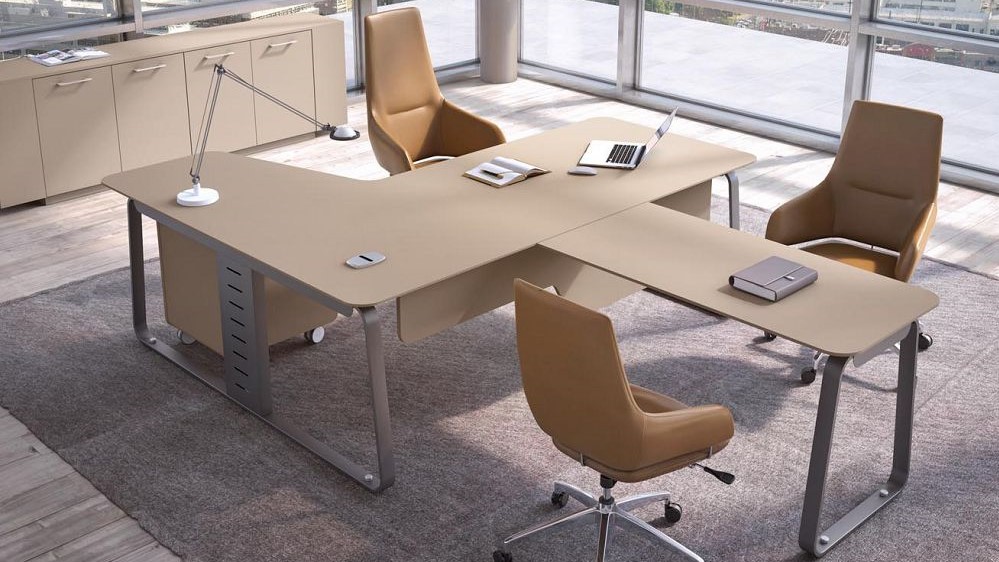
Furniture arrangement
In general, there are two main types of offices.
Personal office
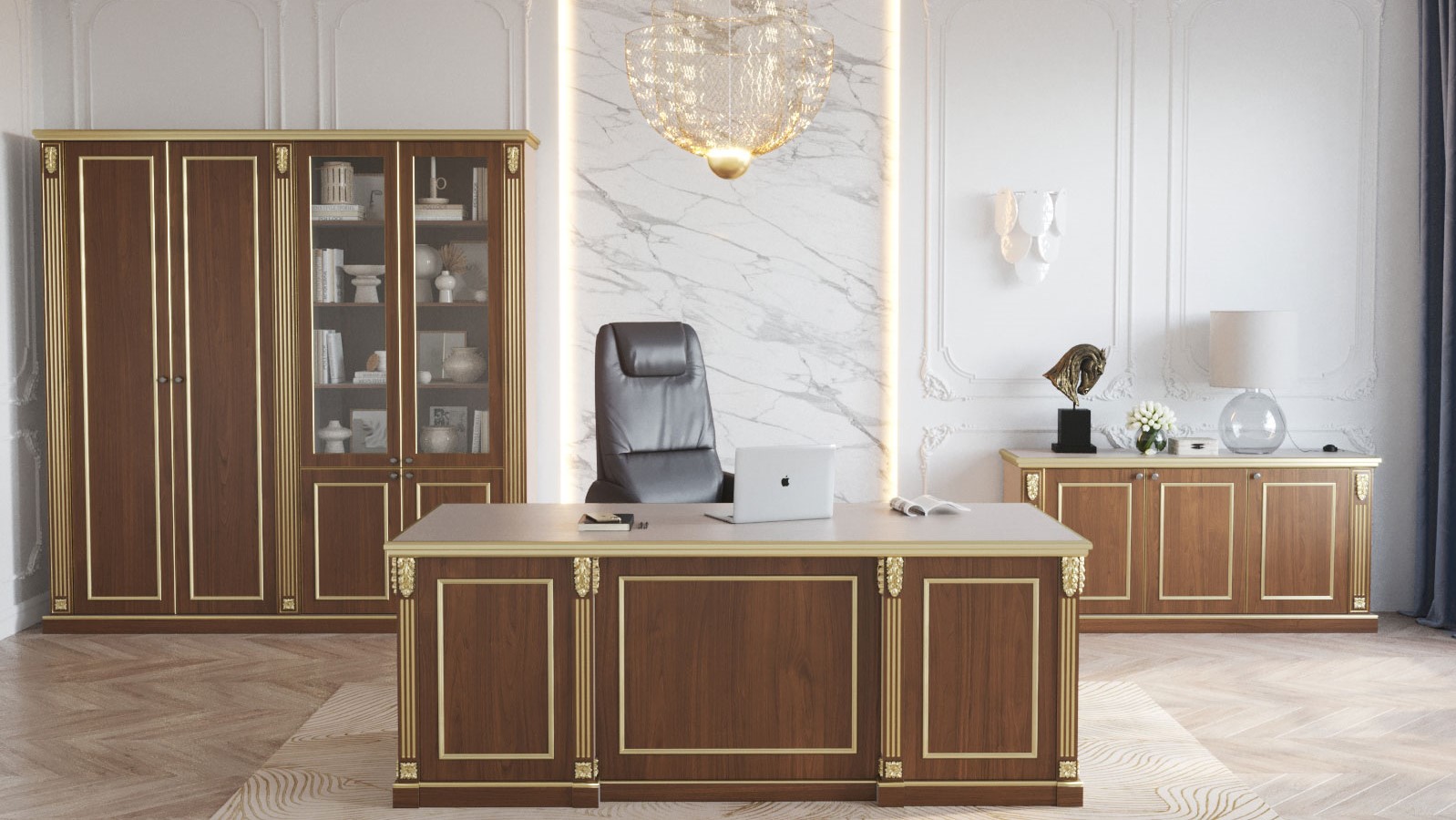
It is designed for one person without meeting any clients.
In most cases an executive’s chair in such offices is placed facing the door. This is important so entering people don’t see information on the monitor due to confidentiality issues.
Meeting room
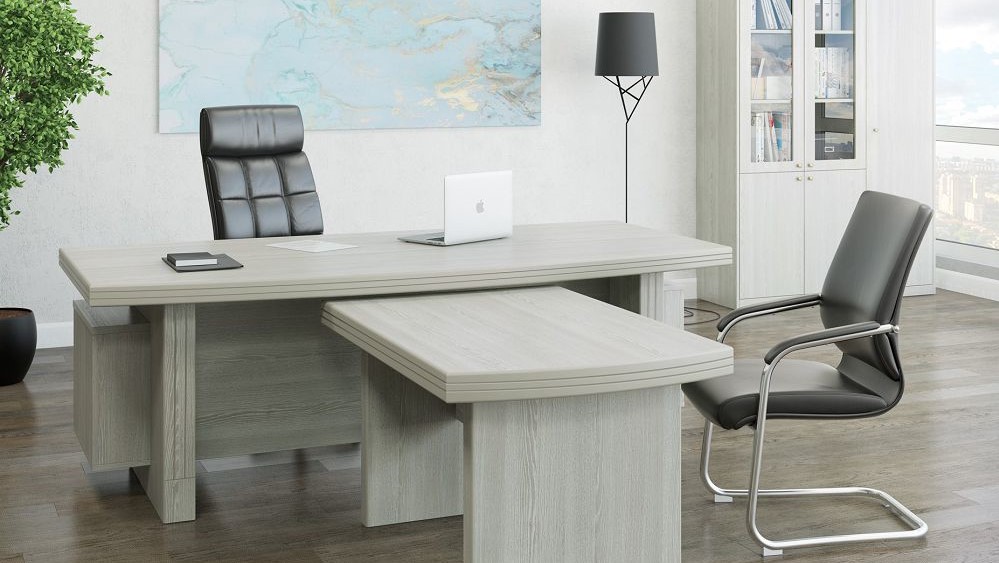
As you can judge from the name, meetings are often held in such rooms.
The main desk is placed so an executive faces the middle of the room. So, the executive will be seated on the side, but sees anyone in the room. It’s important for him to communicate with every person in the room.
Furnishing advice
Here are few tips to arrange the space considering rules of ergonomics and feng shui (to attract positive energies).
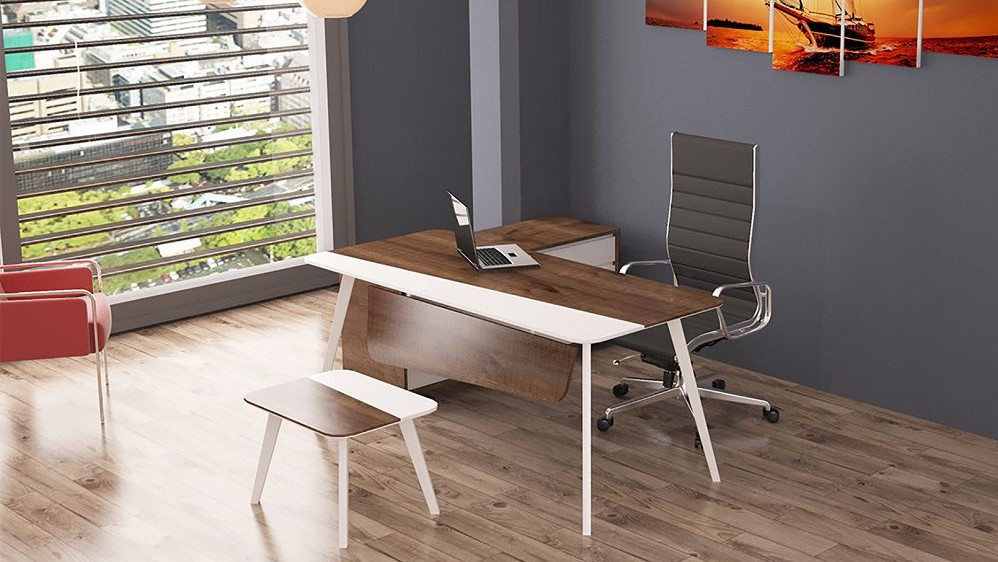
- If you have options, choose the premises with the windows facing north. This will provide comfortable work on the computer. If such choice is not an option, don’t forget blackout curtains to block out the sun.
- Do not place the desk opposite the window. It will make the work uncomfortable and also add discomfort with heaters and draughts. The best idea is to place the desk perpendicular to the window.
- As for the meeting table, it’s better to arrange the space so the executive is seated with their back to the window. It’s a nice way to keep one’s head in the shade.
Lighting
Lighting plays a crucial role in the office atmosphere. It will highlight the necessary elements, create a working atmosphere, let workers relax or concentrate.
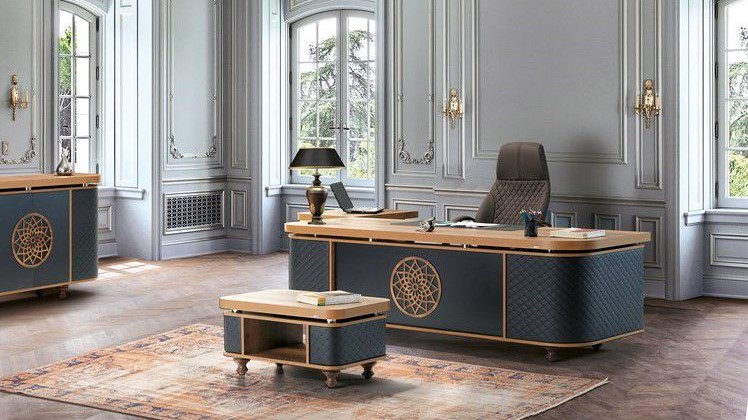
- Opt for warm light, as it is more comfortable for eyes.
- Try not to choose surfaces that will not reflect the light. Mat furniture will work way better.
- Formal style doesn’t usually imply bright colors (red, blue, green, etc.). So, better choose colors of neutral colors.
Additional points in furniture arrangement
If your office is small, don’t put massive furniture there. Opt for miniature portable items.
Make sure that you leave enough space for easy moving around the office. It is recommended to leave at least 3.2 ft of free space around each furniture item, especially behind an executive’s chair. Try not to clutter up the office and leave as much open space as possible.
And don’t forget about the ‘working triangle’ rule that means all the necessary working items should be at hand, including a printer, a phone, a computer, etc.
As for the furniture, it should comply with the needs and anatomic features of its future owner (height, weight, etc.). The perfect option is adjustable furniture to make sure you feel comfortable. If you choose non-adjustable items, make sure your feet are grounded, for this is the correct anatomic position of the body that will help you stay healthy.
Afterword
Furnishing an executive office may seem a challenging task that may be solved only through trial and error. But in reality, it’s rather easy if you deal with it in a proper way.
Our advice is to consult experts that will help with the space and interior design, the plan and the materials. Not only will this save your time and resources, but also let you enjoy the process. The End