
 Series of furniture for staff
 Office desks
 Office cabinets
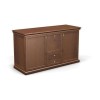 Office pedestal
 Office partitions
 Office Accessories
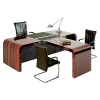 Series of offices for the head
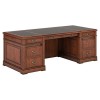 Executive desks
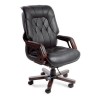 Executive chairs
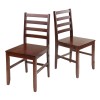 Wooden chairs
 Staff chairs
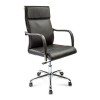 Office chairs
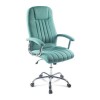 Computer chairs
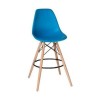 Bar and pab chairs
 Soft chairs
 Office sofas
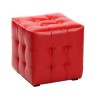 Poufs and banquettes
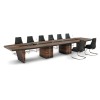 The negotiation area
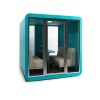 Acoustic cabins
 A series of furniture for the reception area
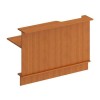 Straight reception desks
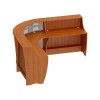 Corner reception desks
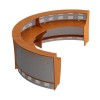 Round reception desks
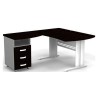 Corner office desks
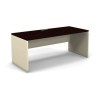 Tables for staff
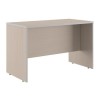 Writing desks
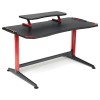 Computer desks
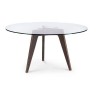 Dining tables
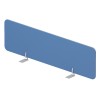 Desktop Office Partitions
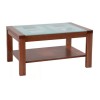 Coffee tables
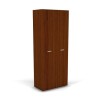 Office wardrobes for clothes
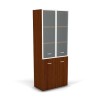 Office filing cabinets
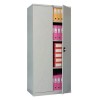 Archive cabinets
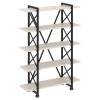 Loft racks
 Office shelving
 Marker boards
 Footrests
 Office Hangers
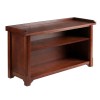 Benches
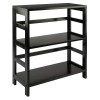 Bookcases and shelves
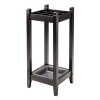 Storage & Organization
Many of us recall visiting factories during our school years, such as a refrigeration plant, where we eagerly observed the entire production process and perhaps enjoyed some ice cream on the way out. Today, we are giving you an inside look at how office furniture is made. The furniture market has seen significant growth in recent years with thousands of companies creating a highly competitive environment. Office furniture production is particularly promising, as the number of small and large businesses continues to grow, creating a steady demand for well-equipped workplaces.
Office furniture production is carried out in both small workshops and large factories. Interestingly, smaller companies often produce high-quality products and can offer custom-made furniture pieces. The office category includes a wide range of items, such as:
- Writing and computer desks;
- Upholstered furniture (chairs, armchairs and sofas);
- Storage units (cabinets with drawers for documents and stationery, drawer units, shelving, lockers and wardrobes);
- Specialized collections, including exhibition equipment and more.
Manufacturers typically categorize their products by class or functionality, which helps to organize the vast assortment available.
Operational or economy segment.
This segment accounts for about 70% of the market. Most offices opt for this affordable option, making it a cost-effective choice for new businesses. The most common material used is chipboard, featuring simple shapes and minimalistic styles.
Mid-range segment.
This furniture is often used in the workspaces of mid-level managers and makes up about 20% of the market. Typically crafted from MDF with veneer finishes (sometimes even natural veneer).
Premium segment
Occupying only 10% of the market, premium office furniture is designed for top executives and managers. These collections feature exquisite designs and luxurious materials such as solid wood, genuine leather, high-end fabrics and premium fasteners.
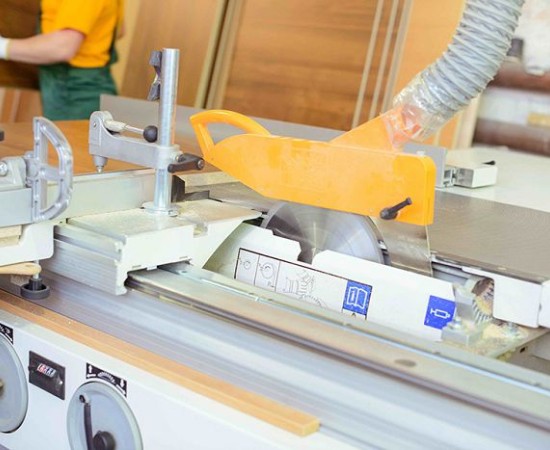
The production process can vary depending on the product range, but it generally follows these steps:
- Cutting raw materials such as chipboard, MDF or wood into planks;
- Applying edging to the cut edges;
- Drilling holes and slots for further assembly;
- Manually assembling the units and attaching fasteners;
- Finishing with decorative touches, protective coatings, and adding soft details while upholstering with leather or fabric (for some particular furniture items);
- Packaging the finished products.
Our company has carefully curated a selection of office furniture from the best manufacturers. We prioritize quality and offer our customers top-notch furniture at competitive prices.