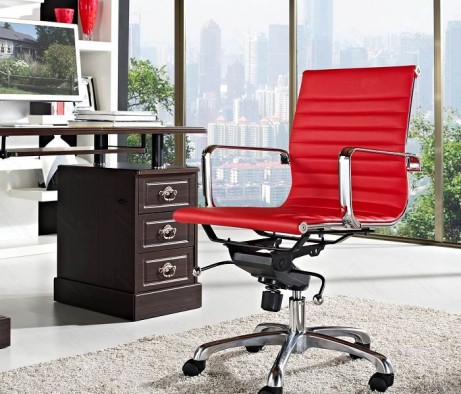

 Series of furniture for staff
 Office desks
 Office cabinets
 Office pedestal
 Office partitions
 Office Accessories
 Series of offices for the head
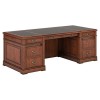 Executive desks
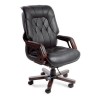 Executive chairs
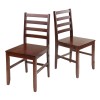 Wooden chairs
 Staff chairs
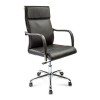 Office chairs
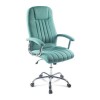 Computer chairs
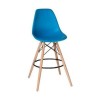 Bar and pab chairs
 Soft chairs
 Office sofas
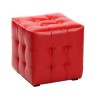 Poufs and banquettes
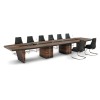 The negotiation area
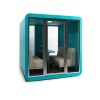 Acoustic cabins
 A series of furniture for the reception area
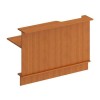 Straight reception desks
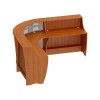 Corner reception desks
 Round reception desks
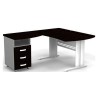 Corner office desks
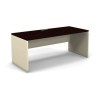 Tables for staff
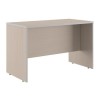 Writing desks
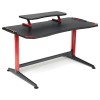 Computer desks
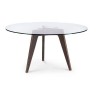 Dining tables
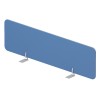 Desktop Office Partitions
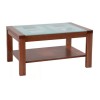 Coffee tables
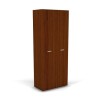 Office wardrobes for clothes
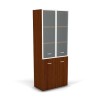 Office filing cabinets
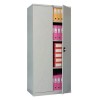 Archive cabinets
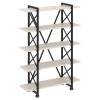 Loft racks
 Office shelving
 Marker boards
 Footrests
 Office Hangers
 Benches
 Bookcases and shelves
 Storage & Organization
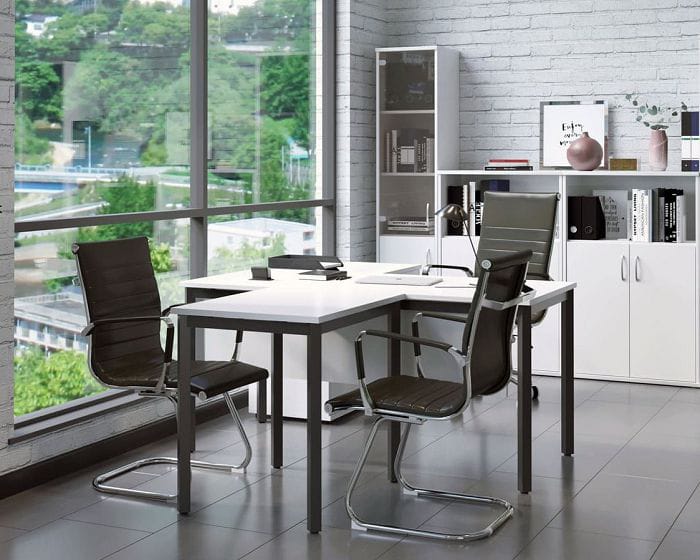
What to look for when choosing a color?
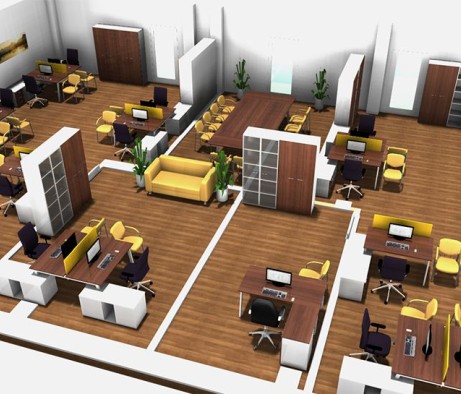
Layout
First of all, you should decide on the type of office layout. There are several:
- Open (or Open space);
- Office;
- Mixed.
Office area
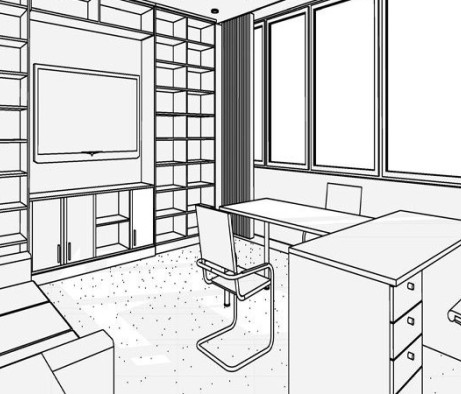
Every type has its peculiarities that should be taken into account when choosing a color. For instance, the office type does not normally imply a vast area, which means you will have to enlarge it with the help of light shades and large windows. The photo below shows an example of an executive manager office.
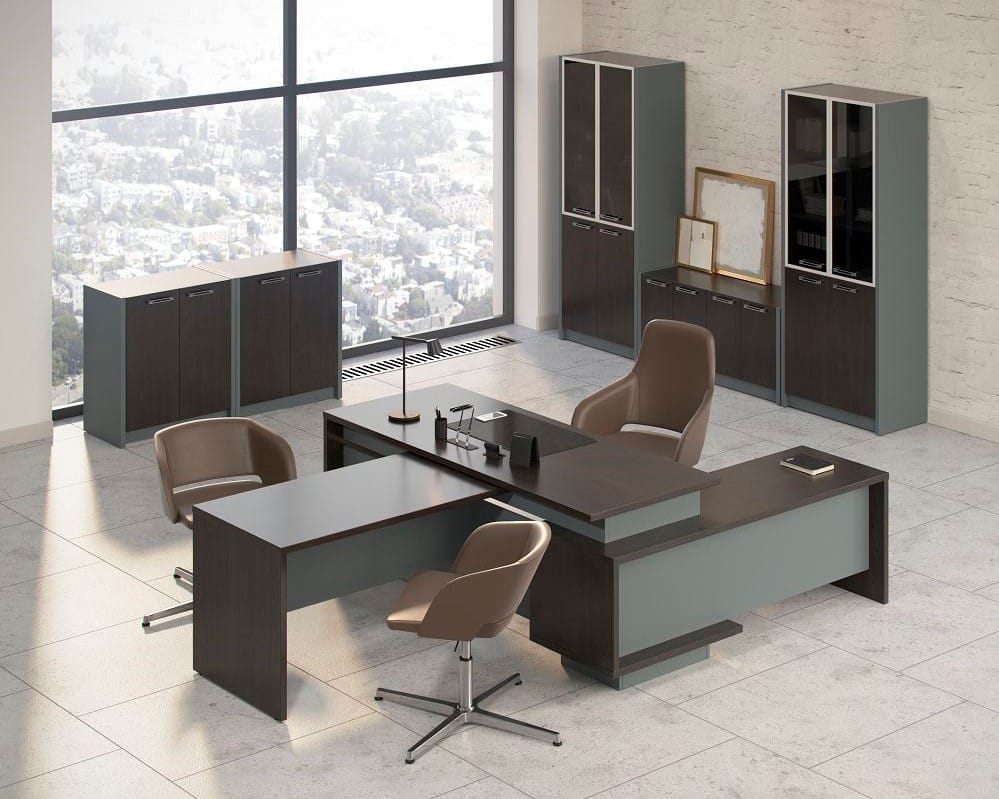
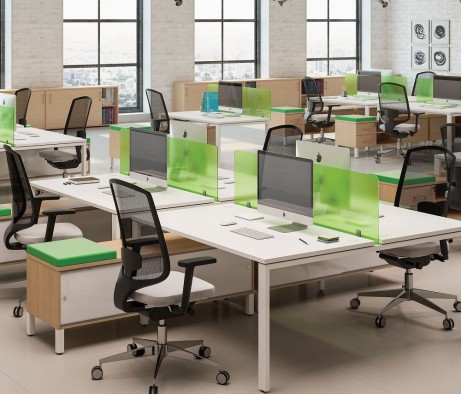
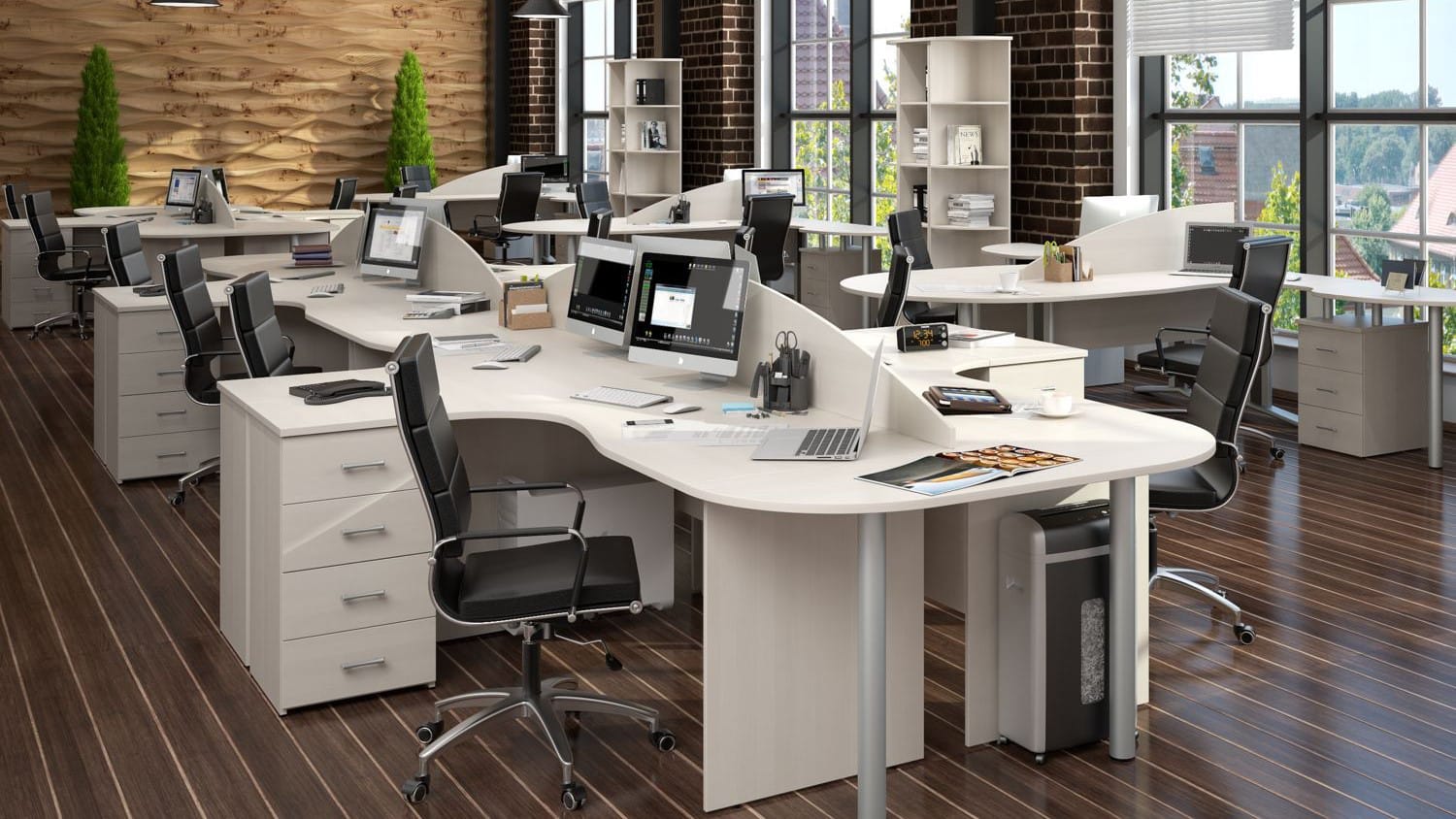
The situation with the open layout is opposite as it can afford to add darker or brighter tones to the colors of walls or floors.
Window location
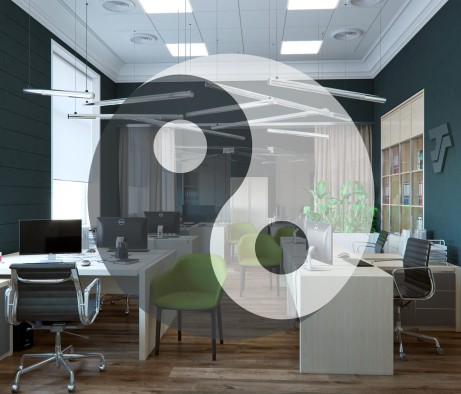
If you delve into the philosophy and rules of Feng Shui, you can highlight the following points:
- For windows facing south, it is better to opt for cool shades, such as gray or dirty blue.
- If the windows face north, a palette with warm colors is more suitable.
- If your office is not spacious and its windows are rather small, it is strictly forbidden to use dark colors. They will make the space even smaller. Employees will feel uncomfortable, cramped and stuffy.
- Light pastel colors will fill the office space with air, and in combination with large windows, they will significantly expand the space, making it more pleasant to work and filling it with positive energy.
Lighting level
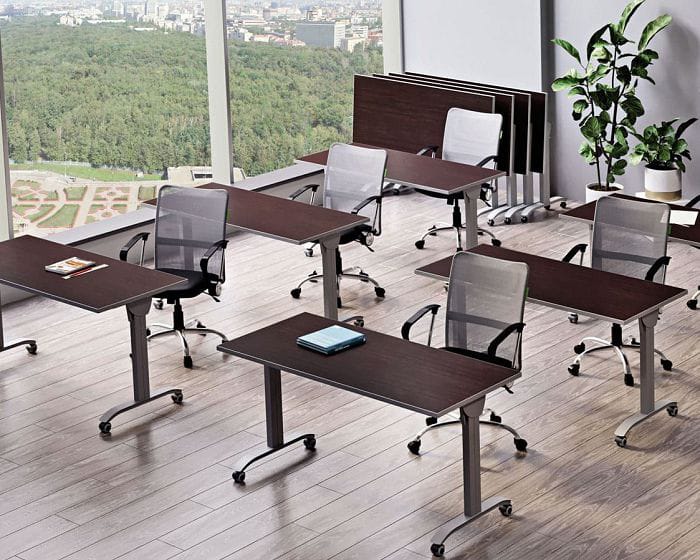
If the office does not have much light, it is better to avoid dark colors. It is worth giving preference to white or beige, while black and dark brown are off-limits.
Employees' preferences
It is highly important to consider what your employees want as they have to stay in the office the majority of their day. You need to create comfortable conditions to put your staff at ease during work and breaks.
Conduct a survey, talk to your employees, find out their image of the office where they will work. Of course it is impossible to satisfy everyone’s needs, but you will be able to create a good general impression.
Interior design concept
After you have discovered all preferences, measured the dimensions and decided on the type of layout, you can proceed to your future office design. It is better to delegate this task to specialists that will save you time and money.
An interior design concept is needed to create a preliminary maquette of your office. Designers will select color schemes for walls and floors as well as furniture and accessories (pictures, planters, etc.)
If you have no idea about the upcoming renovation or construction of an office, specialists will consult you and help you find the best solution for a specific space and company.
Formula for success
When designing a space, specialists often try to stick to the rule of selecting two basic colors and mixing them with a third one that will become a bright point of attention.
One of the two basic colors should always be dominant and take up about 60% of all office colors. The other one will get 30%. The third one will play the role of a complementary color taking the remaining 10%. Such a combination is considered the most successful when designing any office regardless of the area size, layout and the number of employees that will work there.
Brand book
Every self-respecting company has a brand book, which describes the company's main colors. They duplicate them in advertising, catalogs, and display them on their products. It is important that these colors are also used in the office, especially in those most often visited by clients and partners. In this way, you can create a favorable first impression, since visitors will understand that the company takes every detail seriously and has its own brand.
The brand book also helps designers when creating an office maquette. The specialist immediately understands what color scheme they need to work with and how best to fit it into the presented space.
And although the brand book will make the task much easier, there are points that you will need to focus on:
- Adaptation of specific colors to the features of the planned office.
- Design features.
- Consideration of the company's scope of activity.
For example, if the company specializes on the development of data bases for serious enterprises, it will be odd if your office exhibits yellow wallpaper with a red polkadot pattern and green floor in front of clients. It is essential to consider the company’s specifics and remember who the product was created for.
Colors in the office and their impact on people
You cannot follow the principle “like or dislike” when selecting a color. It is important to understand that real people will be working in the office and they will be affected by shades of colors in different ways.
Red
An uncommon color for an office. Big companies with an open-space layout opt for it as the third color to create a “wow-effect”. The best places to apply it are the hall and reception area. High-quality red looks luxurious and can have a positive effect on creating a first impression in the office visitors’ eyes.
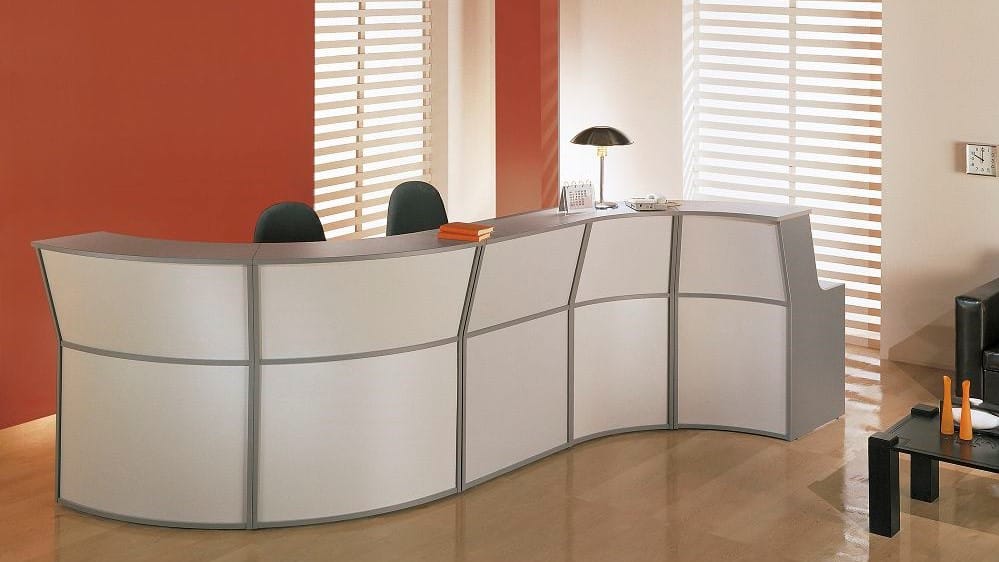
Apart from halls, red spots can be added to rooms and corridors. It will look quite attractive as well.
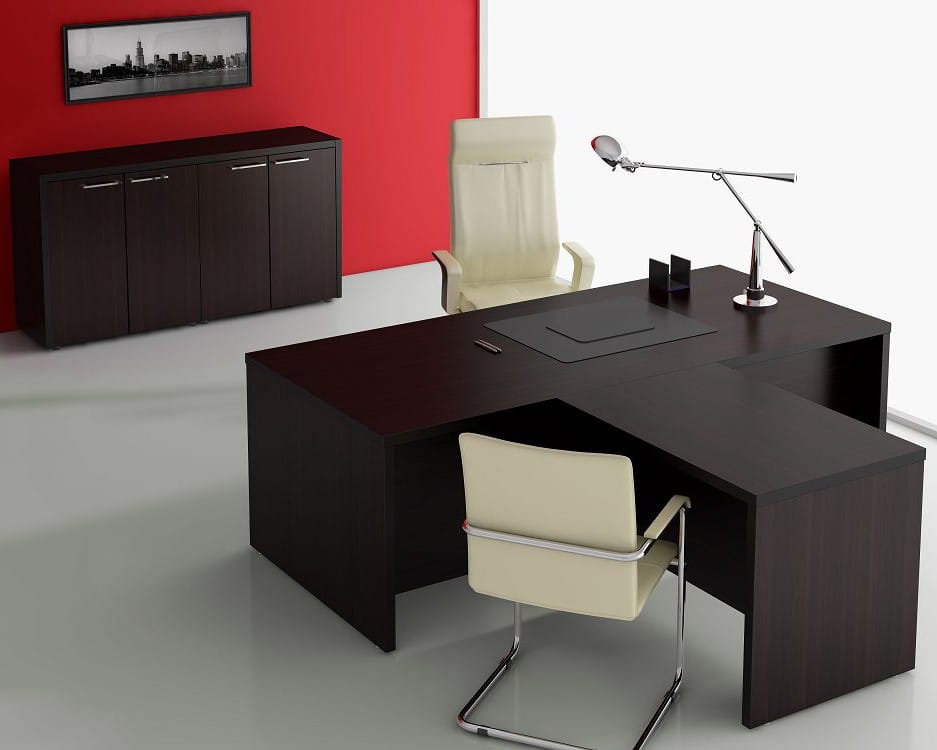
Red will create a working atmosphere due to its depth and intensity. This focal point will not get old as it will not fill the whole space but only some details and elements of the interior.
Green
One of the most auspicious colors that can cover your office walls. Pastel color will be associated with nature, fill the space with oxygen, calm, thereby improving thought processes.
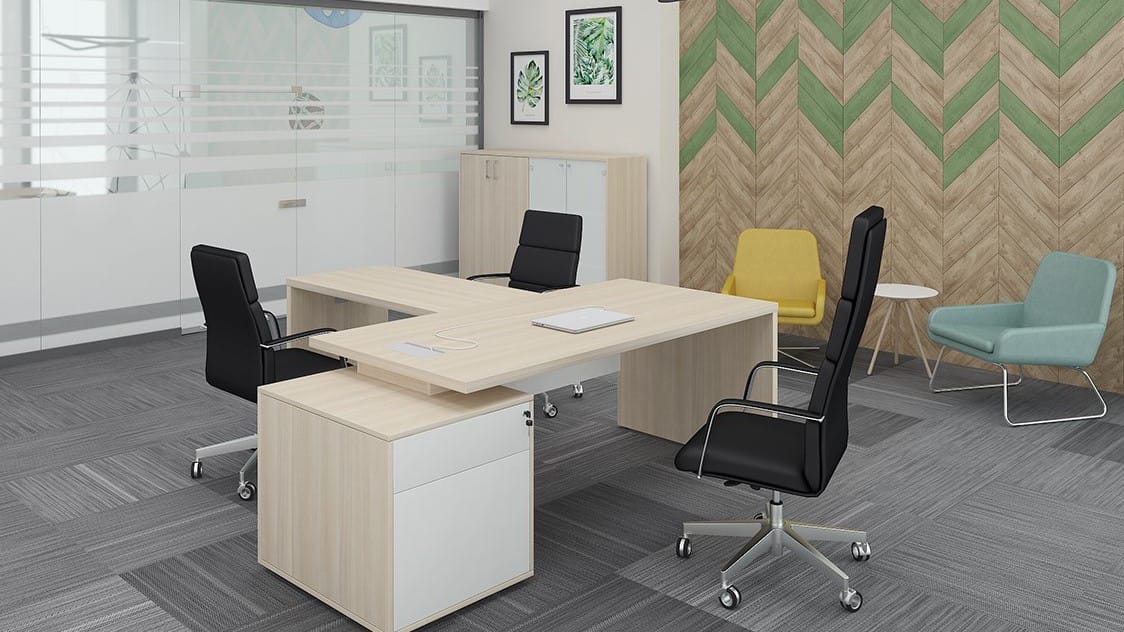
Do not think that green will create mixed feelings and mistrust in competitors. Quite the contrary, its various shades, like swamp or gray-green, are often used in negotiation rooms. Green helps make important decisions.
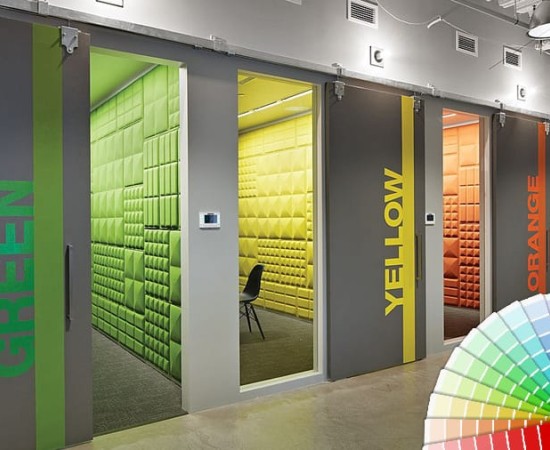
The photo below shows an unusual office design using the green color that can also be added to the interior with the use of plants.
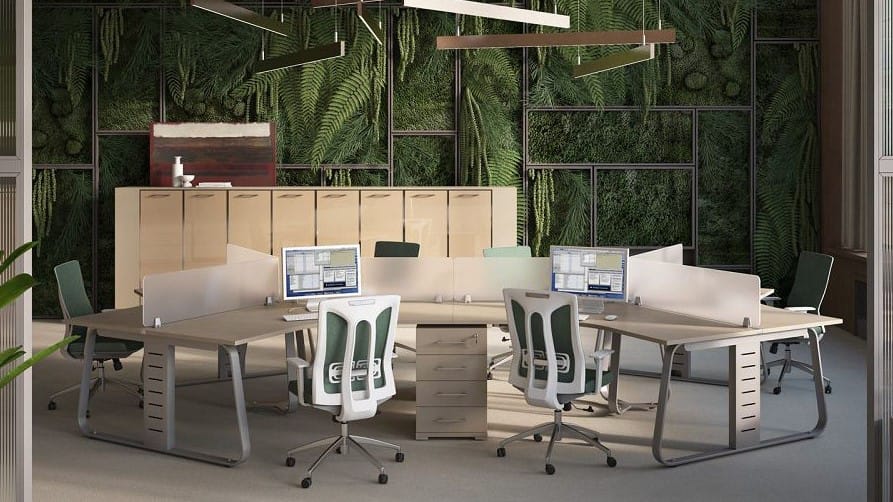
You can balance green with white, wood or graphite tones.
Blue
The use of blue in the interior should be well considered. On the one hand, light or pastel blue can calm you down and set you up for long-term work. You can also emphasize your status in front of your partners in this way. On the other hand, the staff may start feeling blue.
The photo below shows a bold use of blue in the interior. It fits into the overall concept and does not bother or distract.
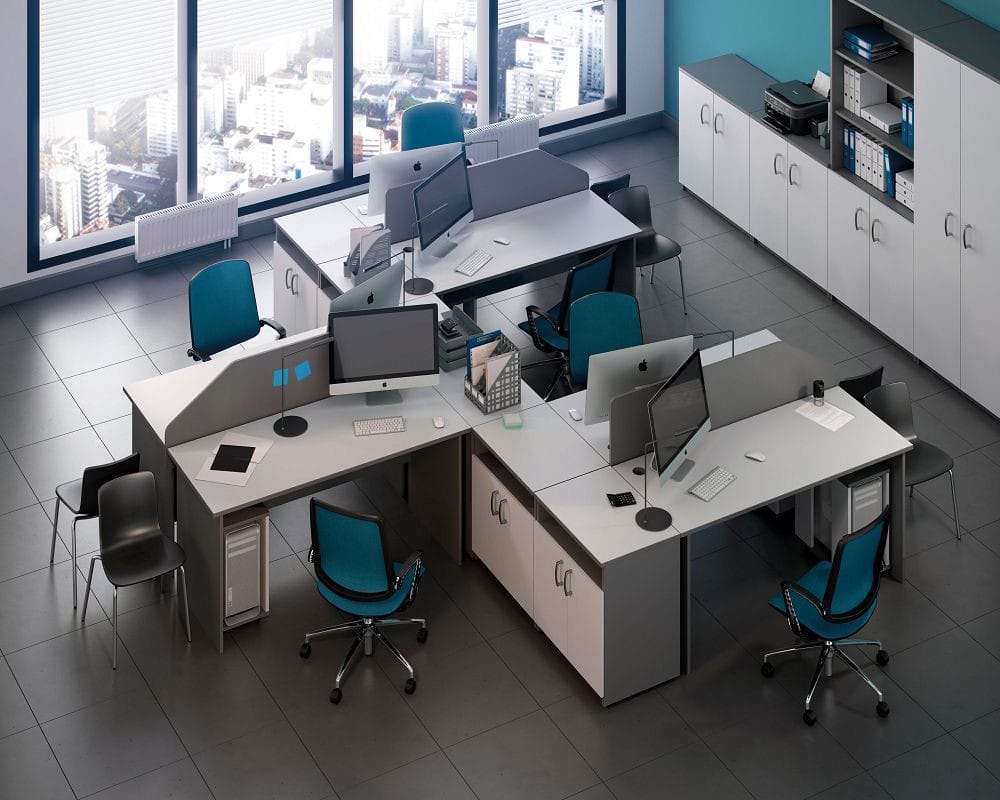
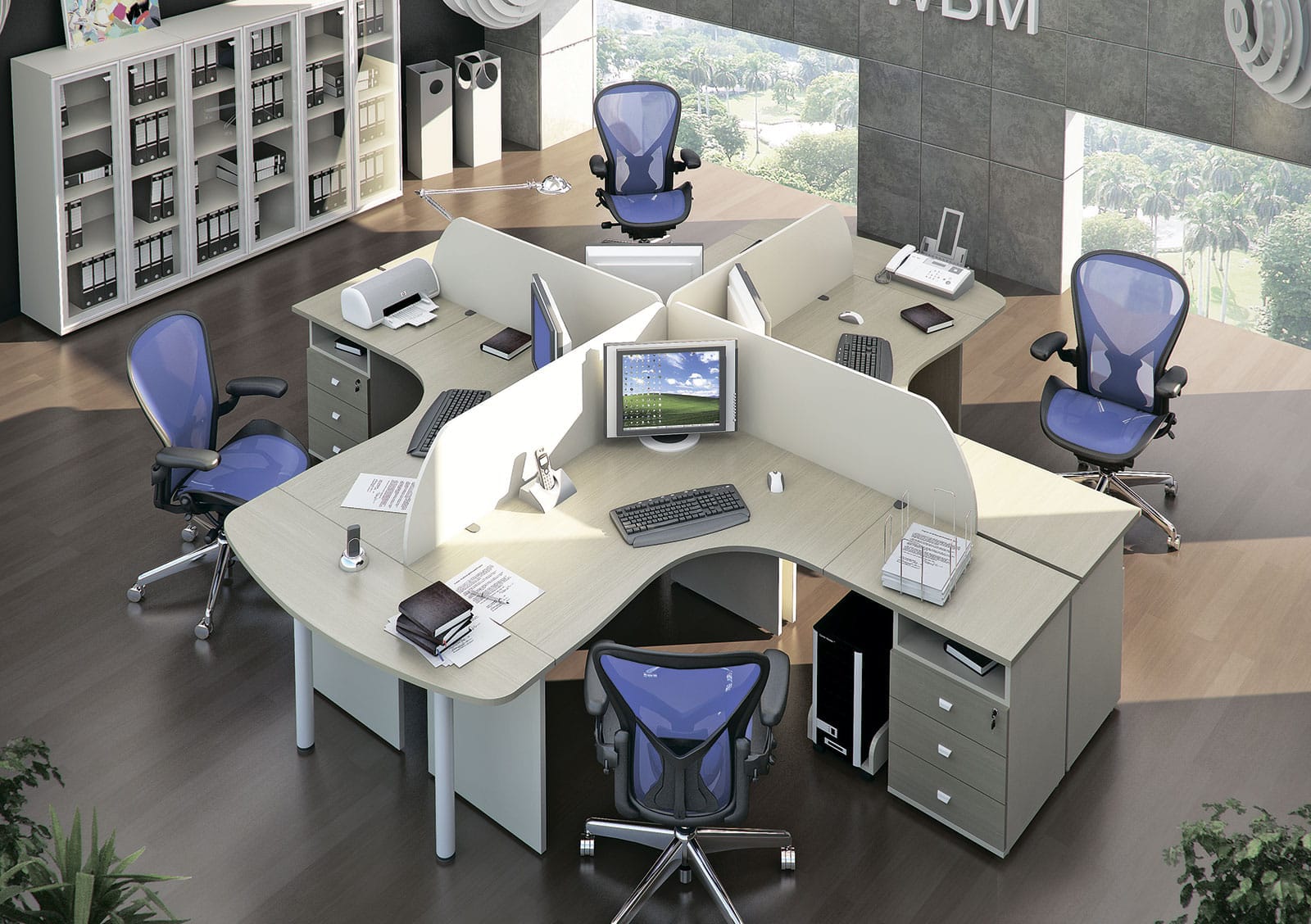
In case of having second thoughts about using blue, you may take a baby step by applying it only to a few elements like chairs or armchairs.
Yellow
A favorable color for the office. It is associated with sociality and communication. Employees in such an atmosphere will be pleased to interact both with each other and with potential clients.
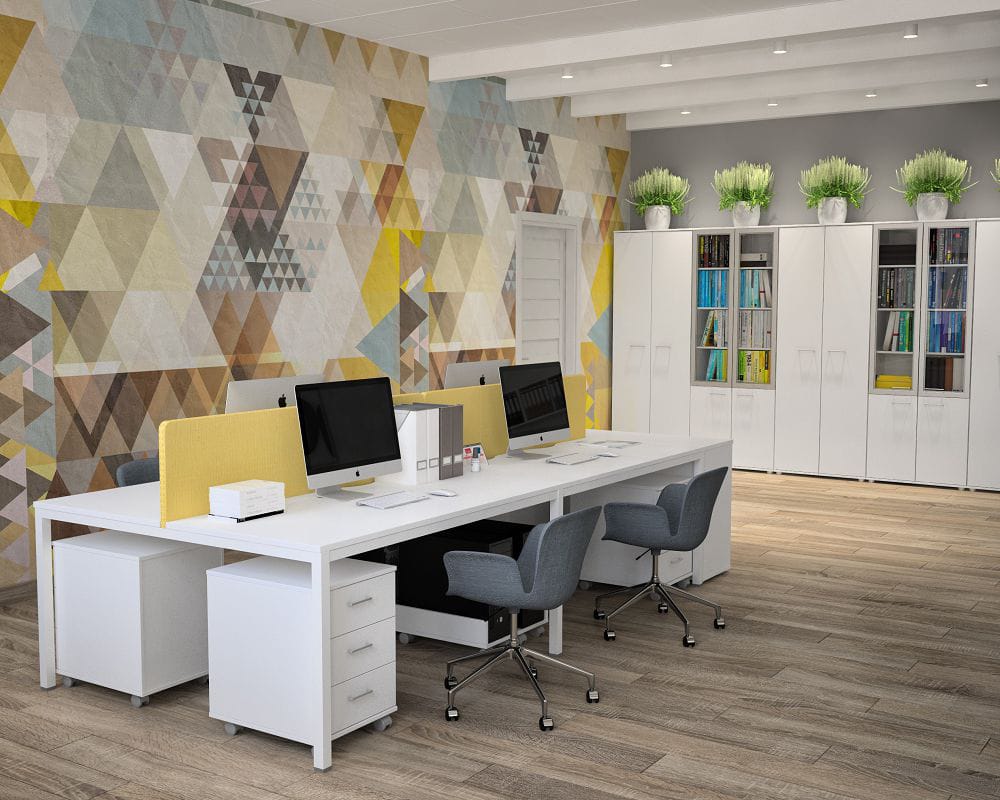
In addition, yellow goes well with other colors and adds brightness. Therefore, if it rains outside, then the office will always have good weather, which will not drag your staff down in the dumps.
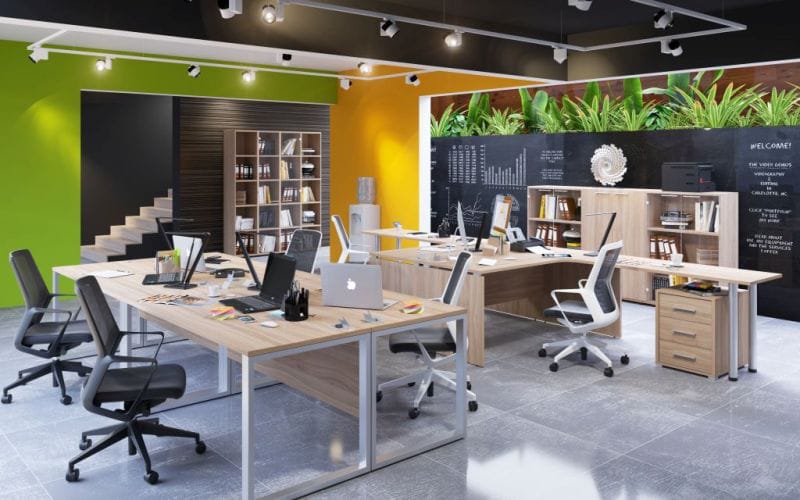
Graphite
Gray and its shades are synonymous with minimalism and neatness. Moreover, they can become not only a separate element or a distinct feature, but also serve as a neutral background for other bright colors like orange, white, or green. These are the most advantageous combinations for office space.
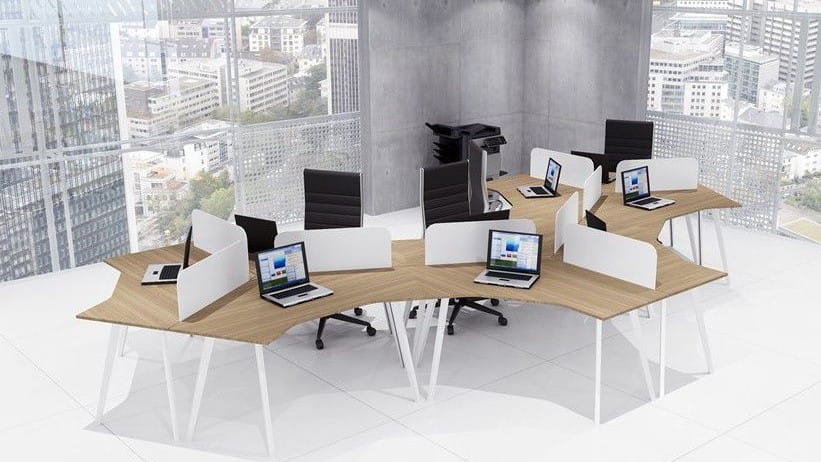
What colors cannot help but be used?
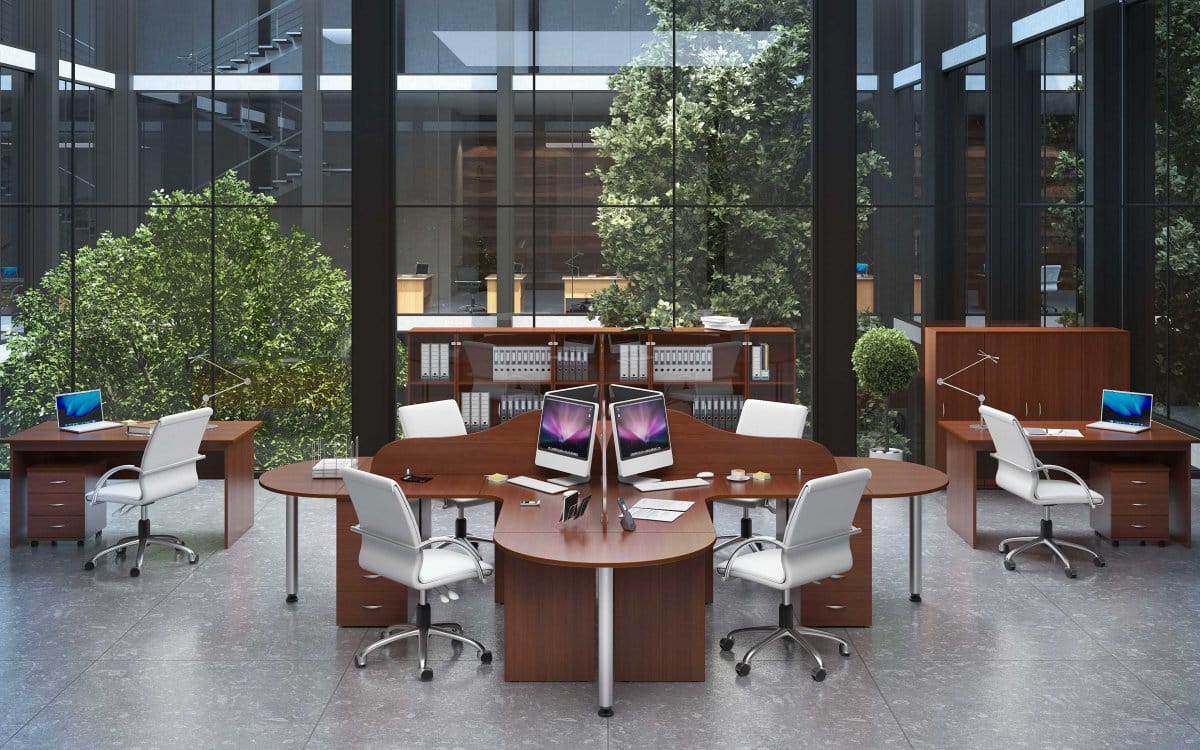
Green-brown has become anti-trend. It resembles dirt and is associated with something disgusting. It is better to replace it with classic wood. It goes with almost everything. In addition, brown or wood is something that will always be relevant. Large companies choose interiors using natural wood.
The photo below shows an appropriate alternative.
Apart from the green-brown color, it is better to avoid neon and acid ones. If you want them that badly, you can experiment with lighting, but it is rather ill-advised to add such colors to the interior itself. Office workers can have panic attacks. Besides, the eyes will not be able to look at such elements for a long time and you will end up with a headache.
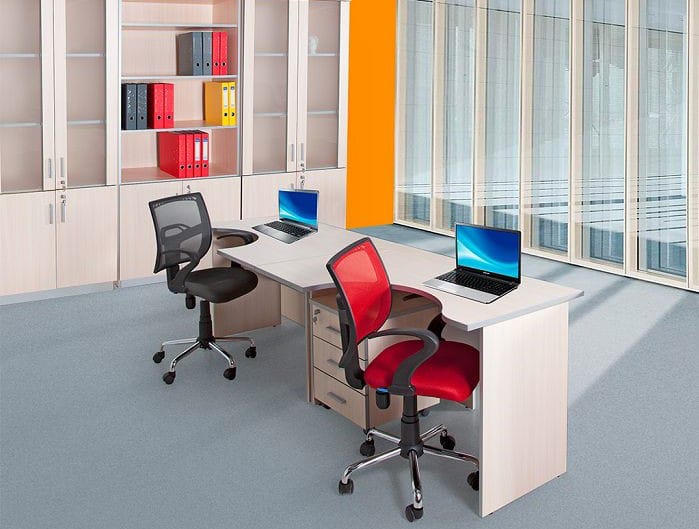
Also, we recommend avoiding the combination of yellow and black as visitors always view it as a warning sign and distasteful. It will definitely prevent you from building trust in your relationships.
You can see an alternative combination of yellow and gray in the photo below.
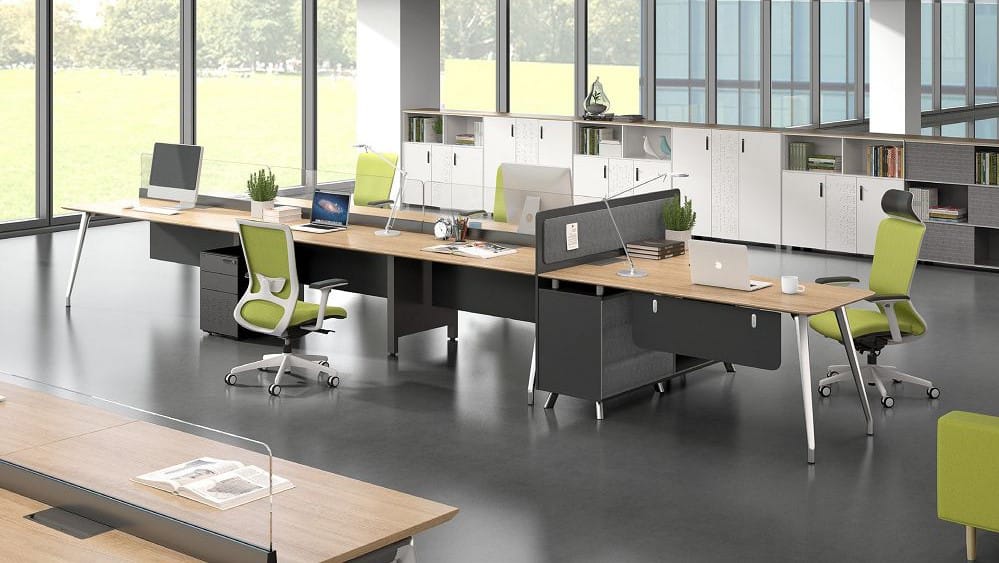
You should also play it safe with the black color itself. It should not be dominant or excessive as it will create tension that will make the process of decision-making a tough call.
Your eyes will also get quickly tired of black; they will get heavy and you will feel pressure in them that will affect your general state and efficiency.
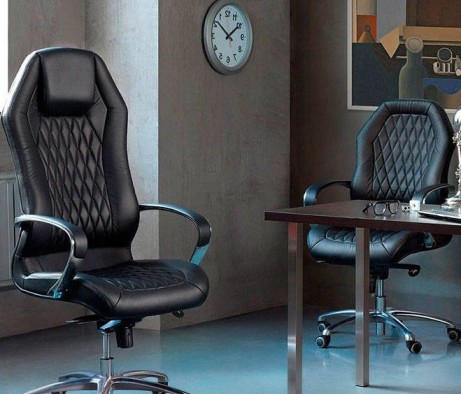
The picture below represents a good use of the black color in the interior:
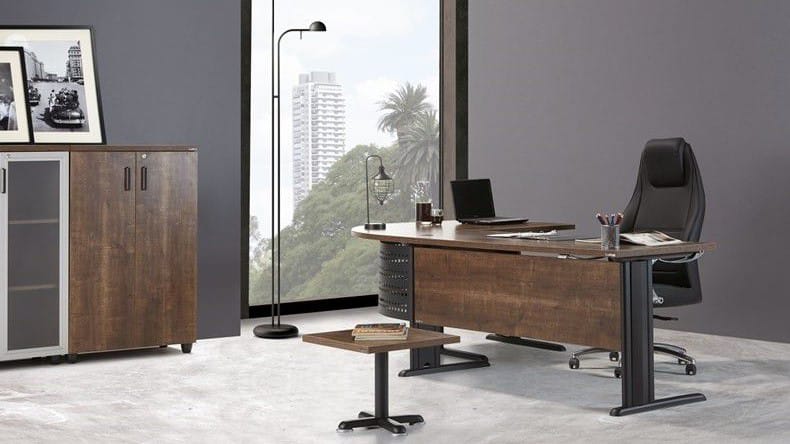
It is better to add single black elements in the interior like furniture or windows, frames or lamps.
What is the best way to place accents in the interior?
A fact wort mentioning is that focal points are the bright details of interior design. There should not be too many of them. It will be wise to use neutral colors, such as white, cream or gray, for walls and uncommon ones for decorative elements or some furniture.
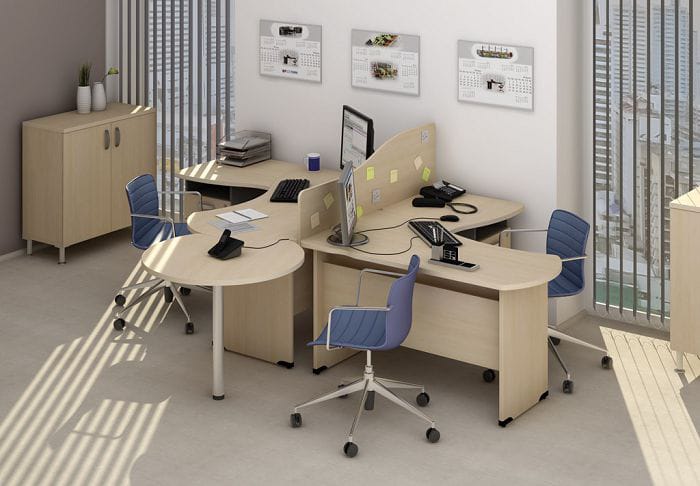
Let’s remember the formulae of success where basic colors take up at least 60% while the third color gets only 10%. This rule can be applied to all zones: reception, executive office, negotiation room, break room, premises where the majority of people work.
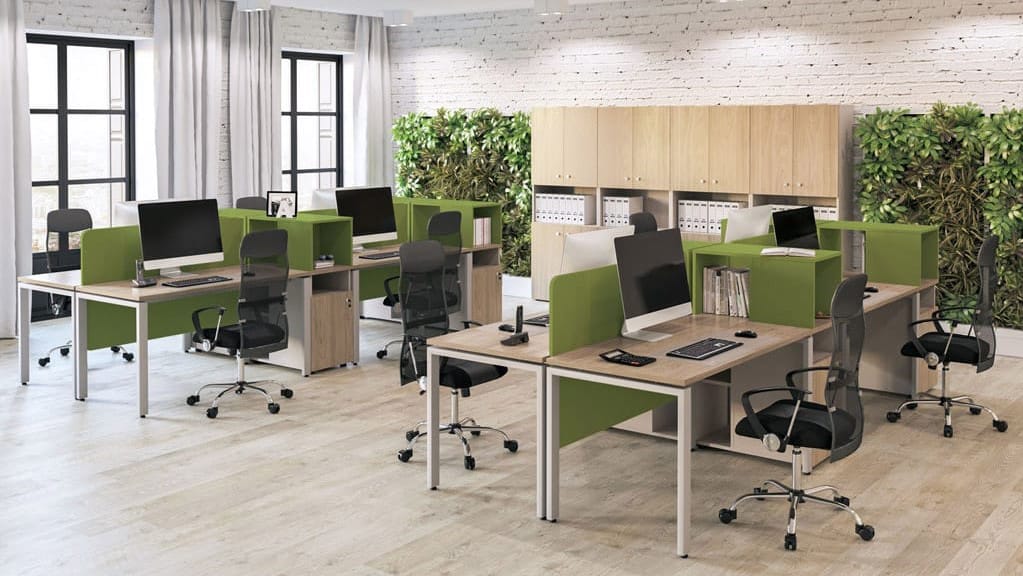
In order to avoid cluttering space with color, you can use the following as an accent element:
- paint window frames, baseboards or door trims in a bright color;
- add bright planters, paintings or unusual frames;
- hang bright curtains or blinds;
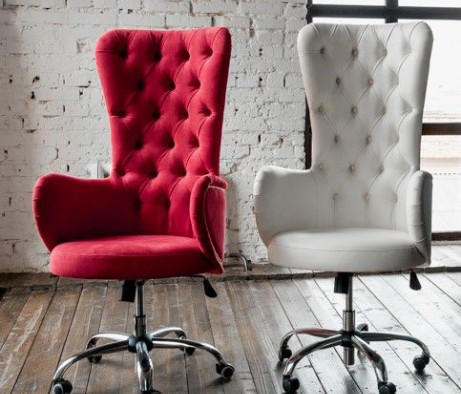
- place chairs with intricate upholstery;
- buy accent furniture for an office with calm walls and floors.
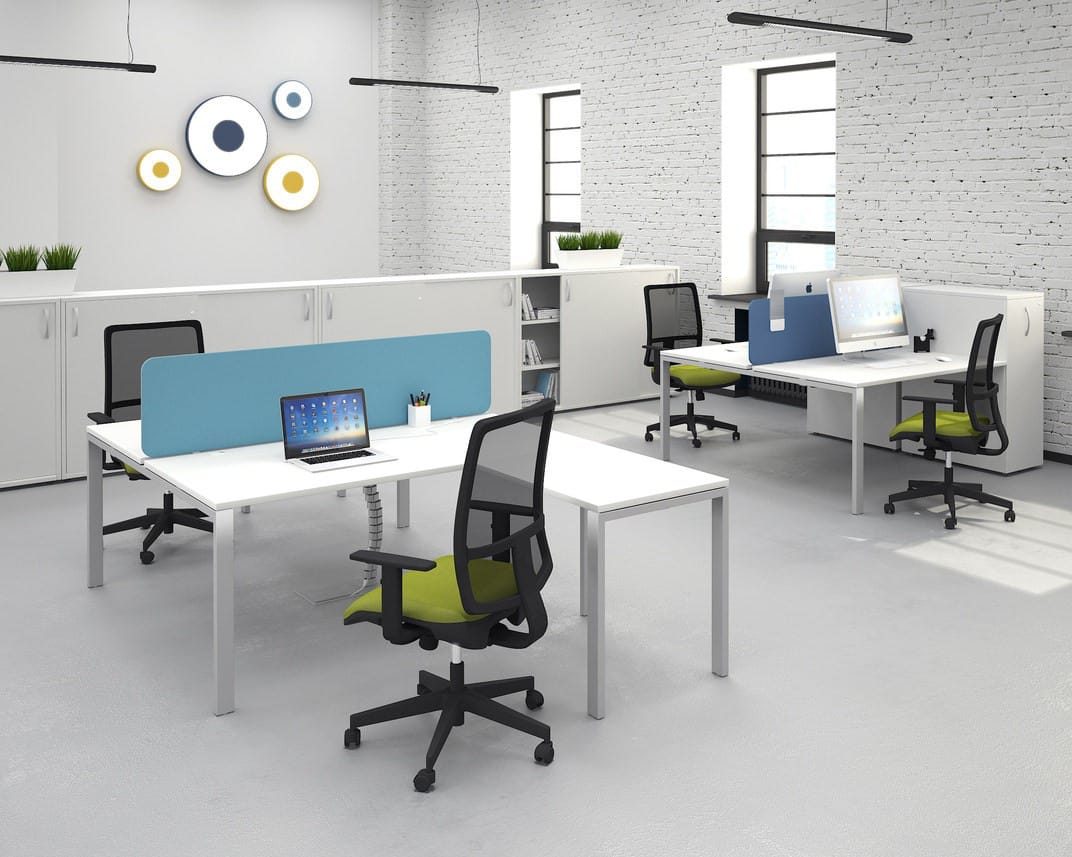
Advice from psychologists and designers
The interconnection between people and surrounding colors is proven. That is why it is pivotal to pay attention to the hues you are picking as in the future they will either help increase efficiency or, vice versa, add stress.
- The brighter colors in the room, the more absent-minded the person working in it will be.
- Profusion will also provoke headaches and insomnia.
- It is better to give preference to warm shades. They will increase performance. However, there are often cases when cold tones fill the room with energy and help concentrate on solving important issues. The main thing is to walk the fine line so as not to turn the office into a hospital ward.
Designers advise opting for light colors in a small room. It will visually enlarge the space. Besides, a small, dark room can cause claustrophobia.
If the office space is located on the southern and eastern sides, then the best option with good lighting will be neutral and cold tones. They will balance the warmth and coolness. But in cold offices, it is better to paint the walls in warm colors and switch to more comfortable lamps with a slightly yellowish light.
But the main advice is the following:
No matter how useful the color is, you should opt for the one you really like. It will please your eyes, increase efficiency and improve your mood. Dull, though useful, color will not bring you any positive emotions.
Conclusion
The answer to the question “which colors are better to use in the office” is simple: you can use any, but you should know where to draw the line, and it is advisable to work with designers. An office is a place where people spend their daylight hours, thus, their surroundings should be comfortable and contribute to mental processes. Furthermore, the interior should be memorable and align with the company’s image, since an office is the face of the company.