
 Series of furniture for staff
 Office desks
 Office cabinets
 Office pedestal
 Office partitions
 Office Accessories
 Series of offices for the head
 Executive desks
 Executive chairs
 Wooden chairs
 Staff chairs
 Office chairs
 Computer chairs
 Bar and pab chairs
 Soft chairs
 Office sofas
 Poufs and banquettes
 The negotiation area
 Acoustic cabins
 A series of furniture for the reception area
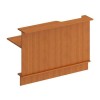 Straight reception desks
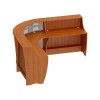 Corner reception desks
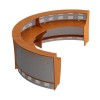 Round reception desks
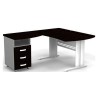 Corner office desks
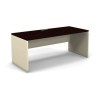 Tables for staff
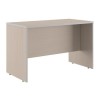 Writing desks
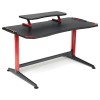 Computer desks
 Dining tables
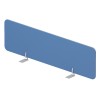 Desktop Office Partitions
 Coffee tables
 Office wardrobes for clothes
 Office filing cabinets
 Archive cabinets
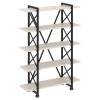 Loft racks
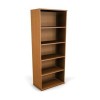 Office shelving
 Marker boards
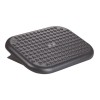 Footrests
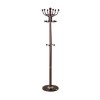 Office Hangers
 Benches
 Bookcases and shelves
 Storage & Organization
Office chair anatomy
Before moving on to the main question, let’s take a look at the peculiarities of an office chair construction.
Here are the main elements of an office chair:
- Backrest;
- Seat;
- Base;
- Casters.
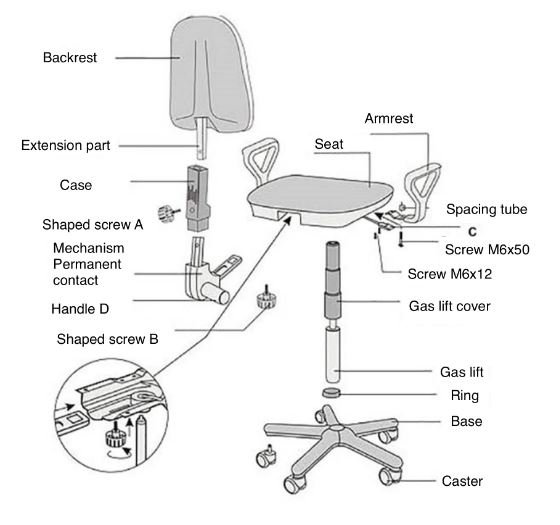
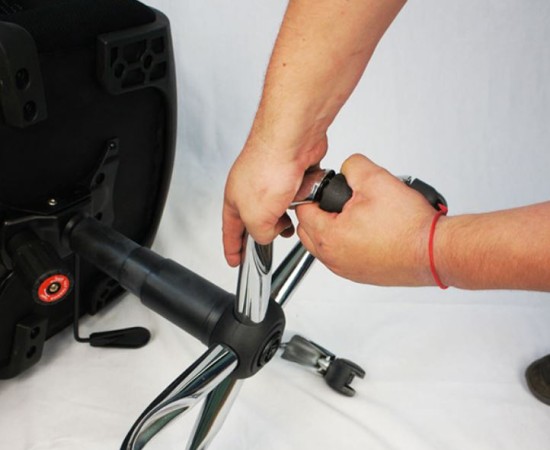
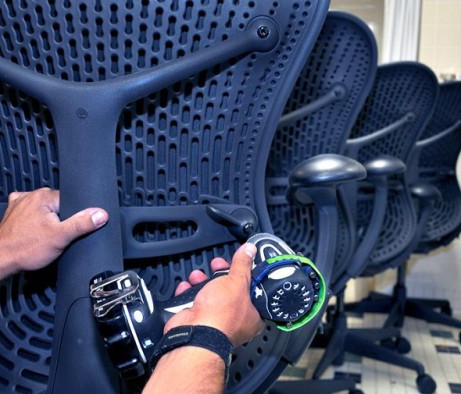
In order to go deeper into detail, have a closer look at the picture below:
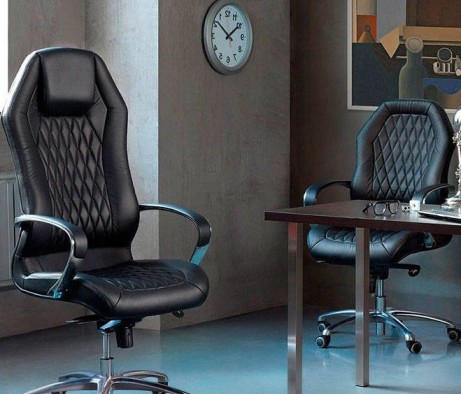
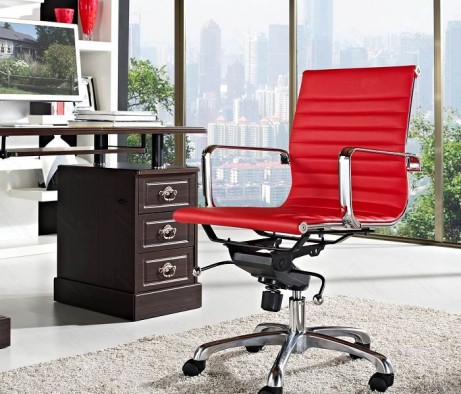
Here is a good example of a high-quality office chair:
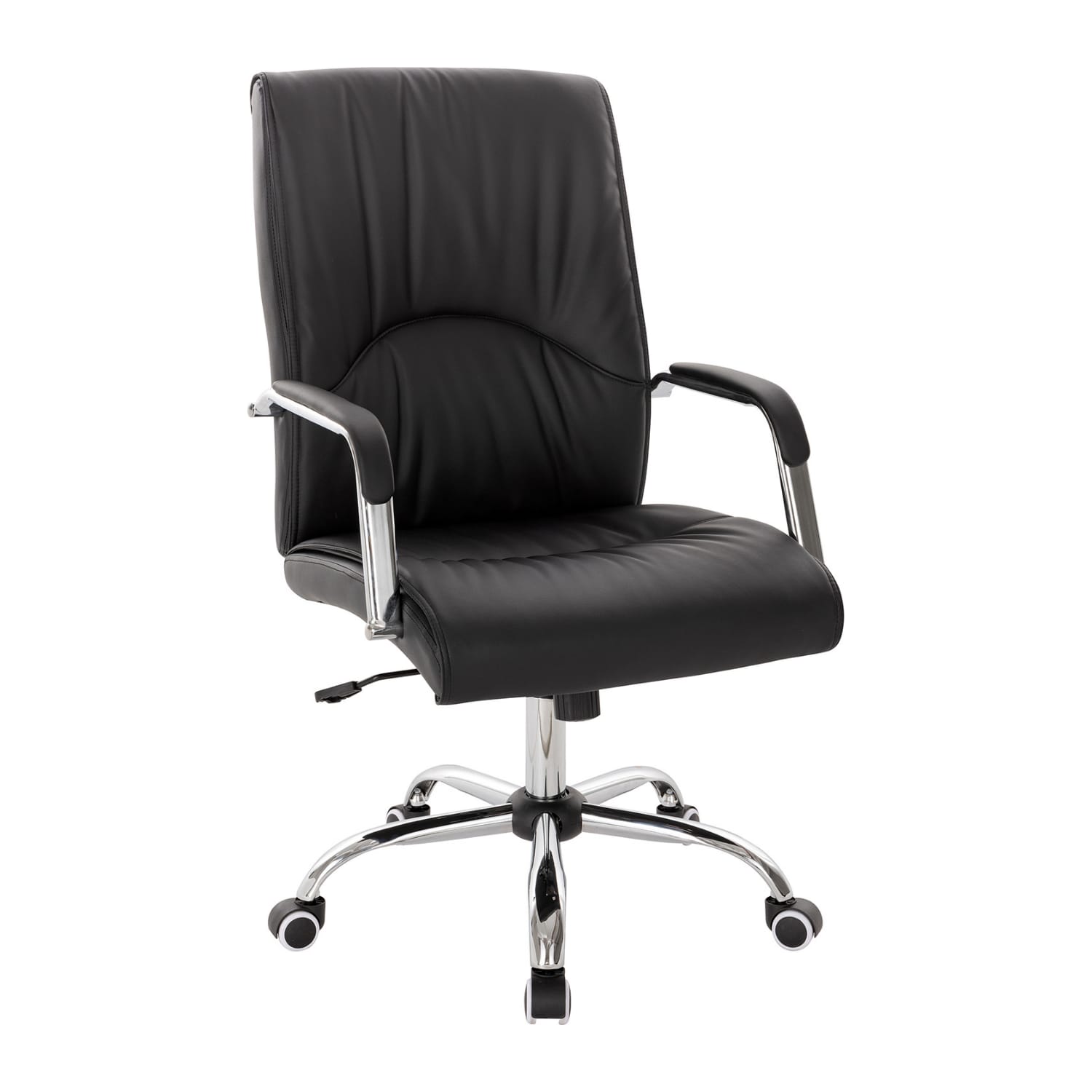
There are many elements, but the most pivotal one is casters as even one broken wheel can turn the whole construction into a less practical one that will be impossible to use. Fixing will be in order at once.
But any maintenance follows a detailed analysis and study of types and materials related to an office chair. Not only will it help minimize further breakdowns, but will facilitate the repairing process itself.
Types and Materials of Casters
Advice: since the floor is usually hard in the majority of office rooms (except for those with carpets), you should opt for wheels with a soft cover. This will reduce the rubbing of the casters against the floor and prevent scratches and dents.
Materials
- Plastic; The most affordable option of those presented. Plastic wheels will be great for hard floor as well as for carpet flooring. Stay vigilant and careful with such a material as you risk scratching the hardwood floor.
- Silicone; Great for dented floors. Silicone wheels are silent. In comparison with rubber ones, they do not leave black lines on the floor, but they have low durability.
- Rubber; Similar to silicone ones, they do not leave any prints on the floor. Rubber wheels are prohibited in sterile environments (will not suit medical offices).
- Polyurethane; The material has distinctive durability and design with a wide range of colors. Suitable for any flooring (from carpet to hardwood).
Types
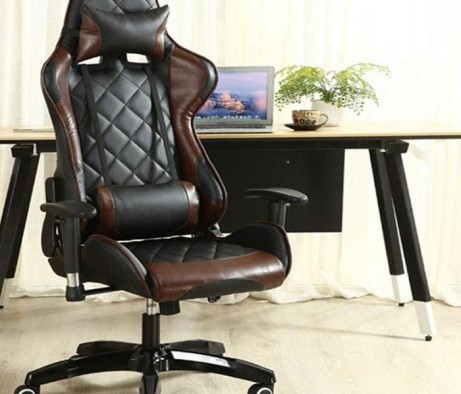
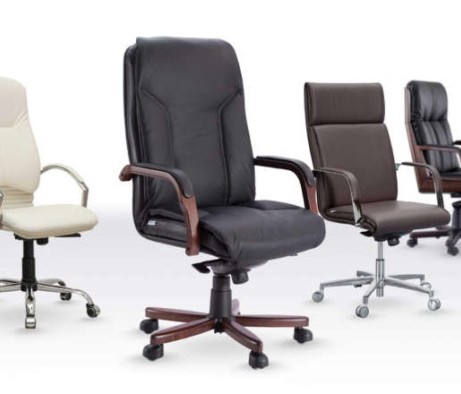
The photo shows a budget-friendly office chair:
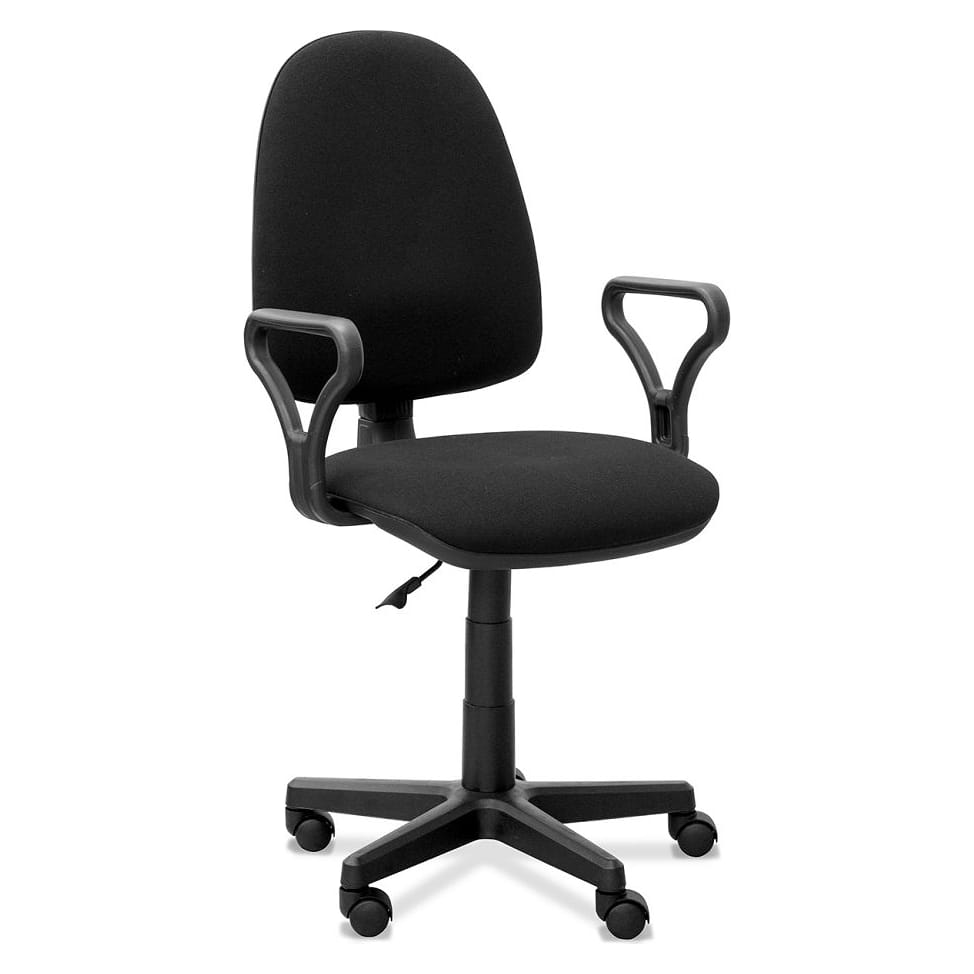
Office chairs ceased to be used solely in office spaces a long time ago. They are currently used for other purposes as well.
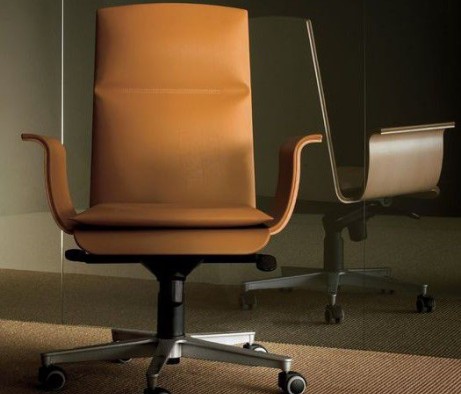
- Office; A modern office chair:
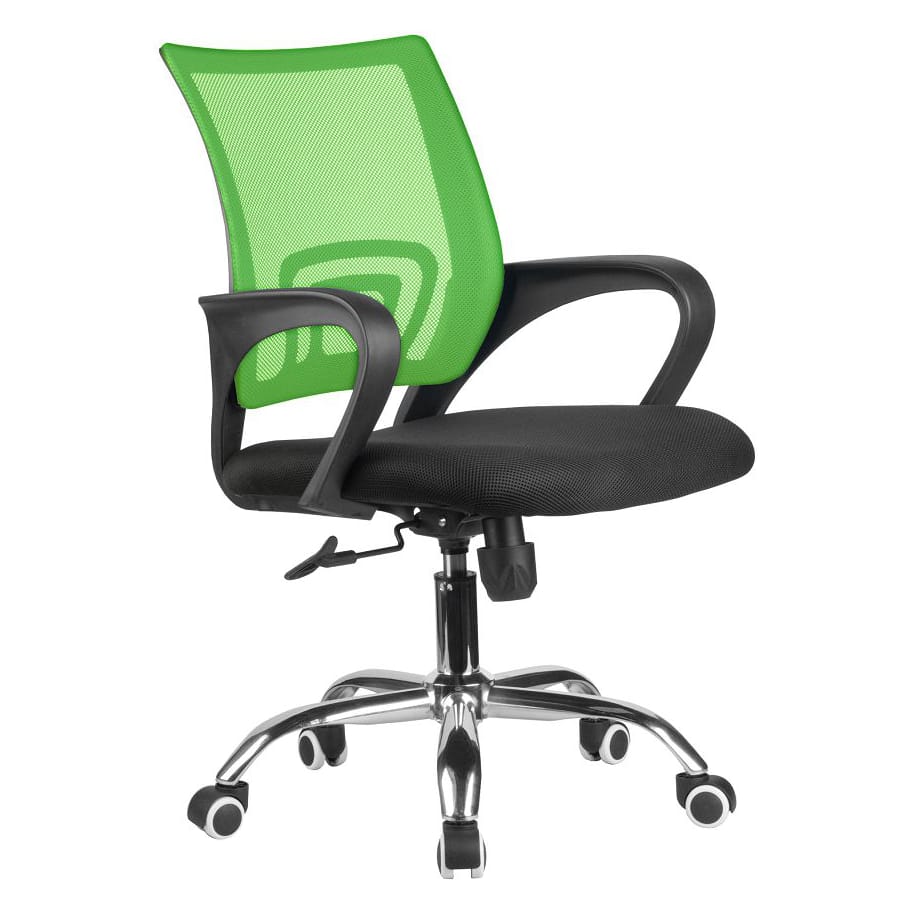
There are hooded and unhooded wheels. The “hood” prevents pinching of cords, but it does not allow you to repair the wheels on your own in case they are broken. Most office casters are rubber-coated. It insures increased comfort due to silent use and a soft “ride”. - Gaming;
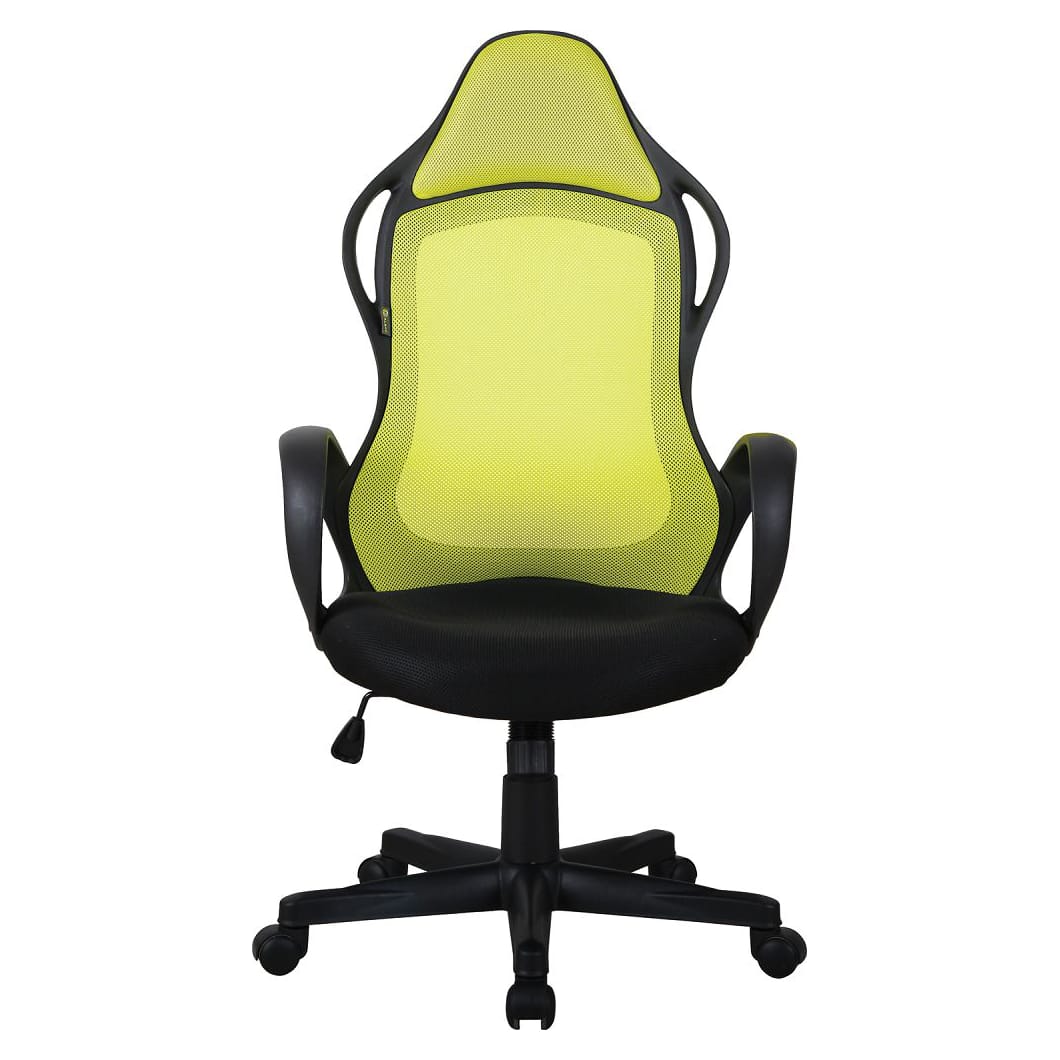
Their design reminds of car or bike wheel disks as there can also be spokes incorporated in them. You should be really careful with this type because if a foreign object gets into the spokes, there will be grave and unpleasant consequences for both the chair itself and its user. - Wheels with a brake mechanism; A universal option with a blocking mechanism. It allows you to fix your chair in one position without any possibility for rotation.
Advice: all those types are applicable for different cases. Rely on your budget, preferences and the number of functions of a chair with particular casters.
What are the Cases When a Chair Needs Fixing?
There are different reasons why chairs may need fixing, but it is crucial to realize what happens to an office chair at the moment of breakage and why. Here are several cases that let you get a complete understanding of the reasons for chair repair.
- The wheel stopped rotating. Your chair starts to move with jams or “drags” along the floor, instead of moving smoothly.
- The wheel started to scratch the flooring.
- After “rolling”, dark marks (stripes) appeared.
- The wheel started to fall out of the base.
Reasons of Caster Breakage of an Office Chair
We looked closely at chair and caster anatomy and the abnormal situations when your chair causes you discomfort. Now we are moving on to the possible reasons that affect the functioning of the casters themselves. The following can be reasons:
- Ingress of dirt and other foreign objects (including dust, hair, wires, threads);
- Incommensurate load (too much weight);
- Uneven flooring;
- Worn pin (this is the mechanism that allows the wheels to be attached to the base);
- Manufacturing defect;
- Expired service life;
- Loosening of the socket.
The marvel of all that is that there is almost never a need to buy a new chair if something happens to the casters. In any case the old wheels might be just replaced with new ones or simply cleaned.
How to Prepare Your Chair for Repairs?
Here are simple tips for easier repair process:
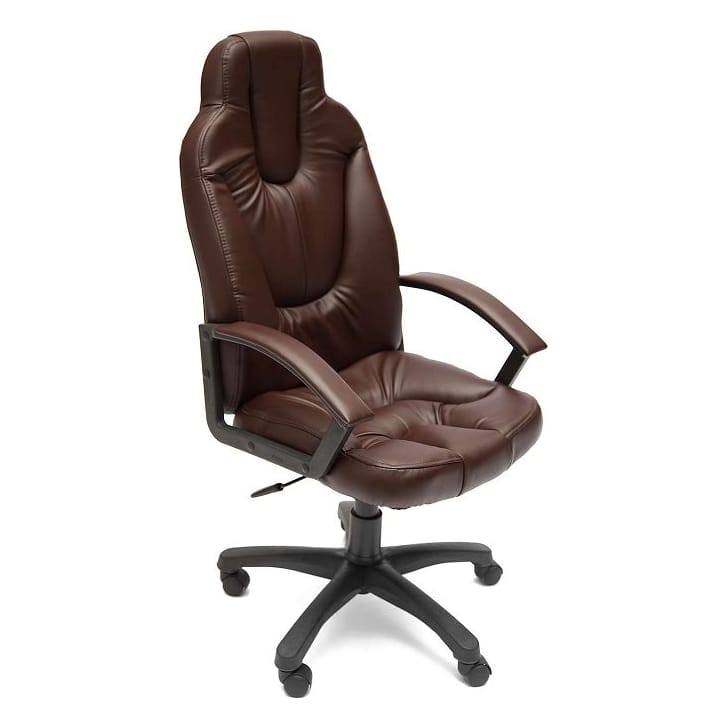
- When fixing the breakage for the first time on your own it is quite advisable to find someone who will help you as necessary, hold the chair or assist in any other way.
- Put the chair on its side with the wheels looking upwards so that it is easier for you (even if you do not have any assistant).
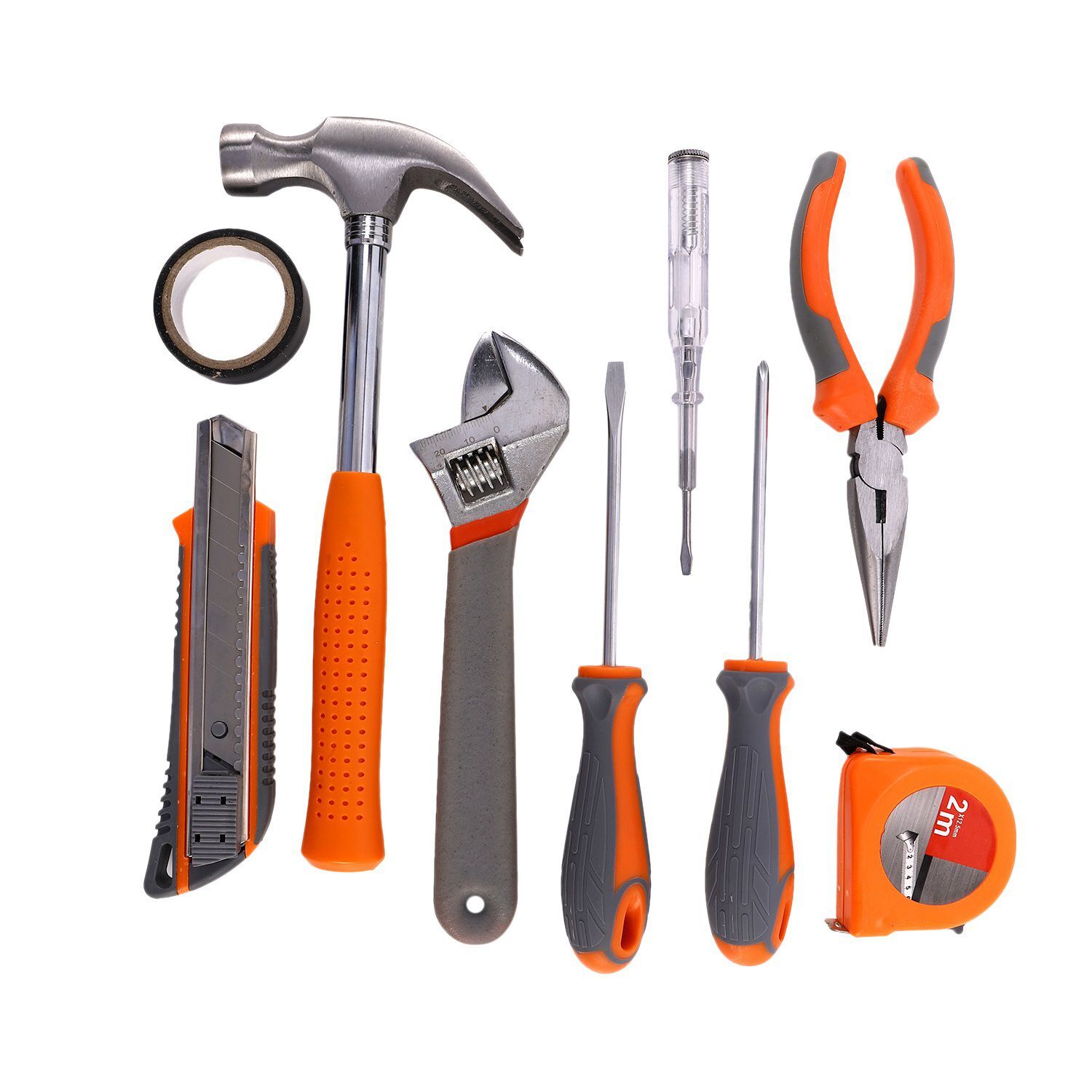
- Prepare a set of necessary tools in advance. You may need:
- A screwdriver;
- A hammer (preferably a rubber one);
- Combination pliers;
- A face mask (to protect against unwanted particles);
- A special plate;
- Needle nose pliers;
- A round cotter pin driver (in case you need to replace a gas lift)
- In addition to the tools, you will also need a new replacement part. This could be:
- One or more wheels;
- A cap/plug;
- A pin.
How to Take Off Casters from an Office Chair?
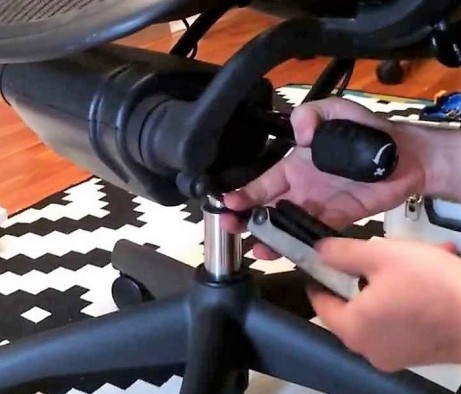
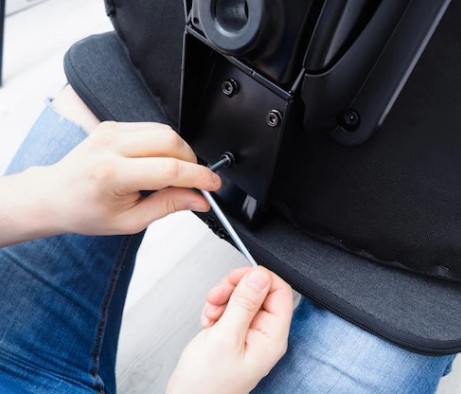
In order to fix whatever you need, you should take off the wheels from the base. It is not a challenging task that anyone can accomplish without going to a specialist.
Advice: you can make your work easier with the help of a lubricant. Add a few drops of the liquid to the place where casters join the frame of the chair.
Here is a guide on taking off the wheel:
- Turn the chair upside down with the wheels looking upwards (if it is more convenient for you, then put it on its side).
- Try to pull out the wheel. A little force may be required here. Recommendation: if you cannot remove the caster without the tools (the wheel is clogged or rusty), then use a screwdriver.
- In the case where you are able to pull out the wheel itself, but some of it is still inside, use combination pliers or a screwdriver as a lever and pull out the pin itself at the entrance to the groove.
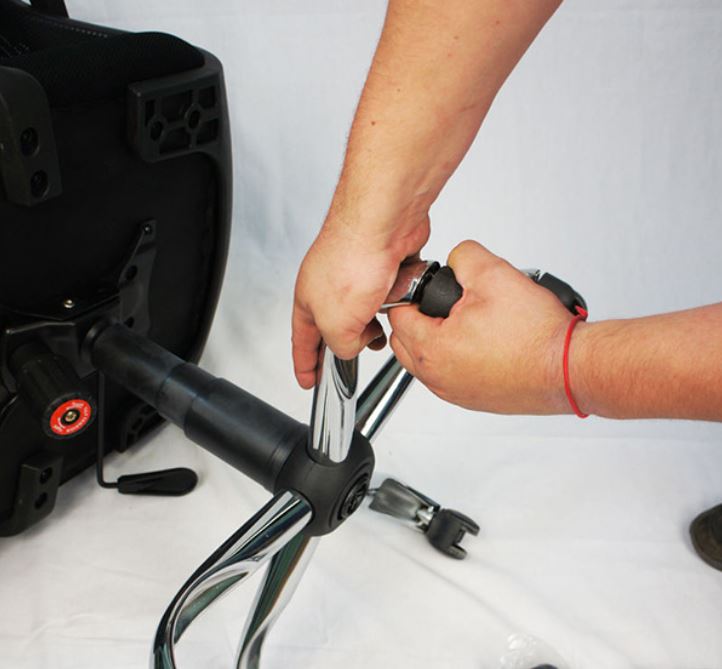
If you have managed to take off the wheel together with the pin, then you have succeeded.
How to Replace an Old Caster with a New One?
You should buy a new wheel beforehand in a specialized store (or several wheels if more than one has broken).
- Clean the area where the old wheel was installed thoroughly.
- Lubricate the entry point into the groove.
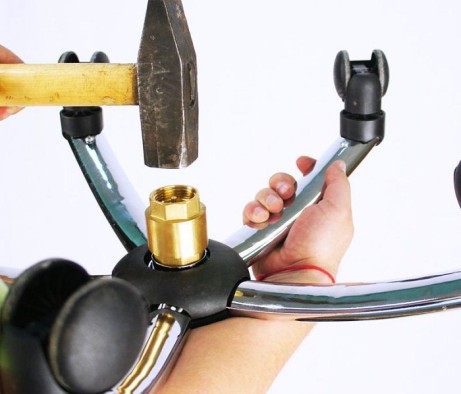
- Insert the new wheel into the base.
At this stage, having put the wheel on correctly, you will hear a click which means the caster was secured. In order to check the chair for serviceability, simply turn it over and sit down carefully in it. Try to move back and forth. You managed to repair the chair yourself if you can perform all of those actions smoothly and without obstacles and unusual sounds.
How to Clean a Working Caster of an Office Chair?
You realized your chair started rolling more slowly, skidding now and then? Then it is time to clean the casters from the clumps of hair or dust stuck in them.
To clean the wheels, turn your chair upside down. Try to clean them manually (wearing protective gloves) or with scissors. If the wheels are too full of dirt, it is better to take them off the base. If the wheels are not broken, remove them carefully to avoid any damage of the mechanism itself. Then take out any unwelcome objects from the casters, clean them and let them dry completely. After that you can reattach the wheels to the base.
What Should You Do if a Caster Falls Out?
You installed a new caster but it keeps falling out? It can be caused by a worn cap/plug, a hole in the base where the caster is attached. In that case you need to replace the old plug with a new one.
- Purchase a plug from a specialized store.
- Take off the wheels according to the guide we wrote above.
- Remove the protective casings (they can be plastic, metal, etc.).
- Pull out the plugs. You may need a screwdriver for that.
- Install the purchased plugs in the old place, having previously cleaned it from trash and dirt.
- Lubricate the entry point into the groove.
- Put on the casings.
- Put the wheels back in place.
After that, make sure the office chair is not broken. If you follow all the steps and do everything by the book, the caster should not fall out again.
When Do You Need to Buy a New Chair?
Some chairs do not make it after repairing, and there are various reasons for that. It is a rather common situation when some people act carelessly trying to save a penny or two. They may apply too much force and end up with a broken base spoke in addition to the damaged caster. Or it may only dawn on them after a couple of failed attempts that they are not capable of fixing the wheel on their own.
Then brand-new furniture comes to your rescue. You can find it in the specialized store with a wide range of office chairs - Branch Furniture
Our specialists will help you choose the right chair that will meet all your requirements and fit in perfectly in your office space.
Moreover, our service will provide you with a warranty certificate for your new furniture so that you easily replace a broken part with a new one without any need to fix it by yourself within the period of warranty. You can read the terms of warranty here - Warranty Terms
Recommendations
The least you can do to prevent untimely breakage is to:
- clean the premises regularly. This will help protect the casters from foreign objects and dirt with dust.
- lubricate periodically the parts with specialized oil or lubricant. You can buy it at a tool shop or a hardware store.
Apart from that it is better to hide cords. Firstly, you will not ride over them, and secondly, you will protect your chair from breaking down if cords get into the wheel mechanism. Those are simple tips which should be followed to extend the service life of your office chair.
Conclusion
Fixing an office chair by taking off and replacing casters is no rocket science. It just needs to be carefully approached, i.e.:
- Prepare the necessary tools;
- Purchase new parts;
- Be careful and do not apply excessive force.
Following those simple tips and instructions will help you painlessly repair any chair even in the office, if there is enough time and space for that.